Tidswell, F.
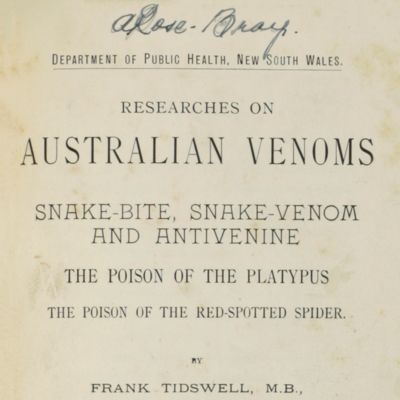
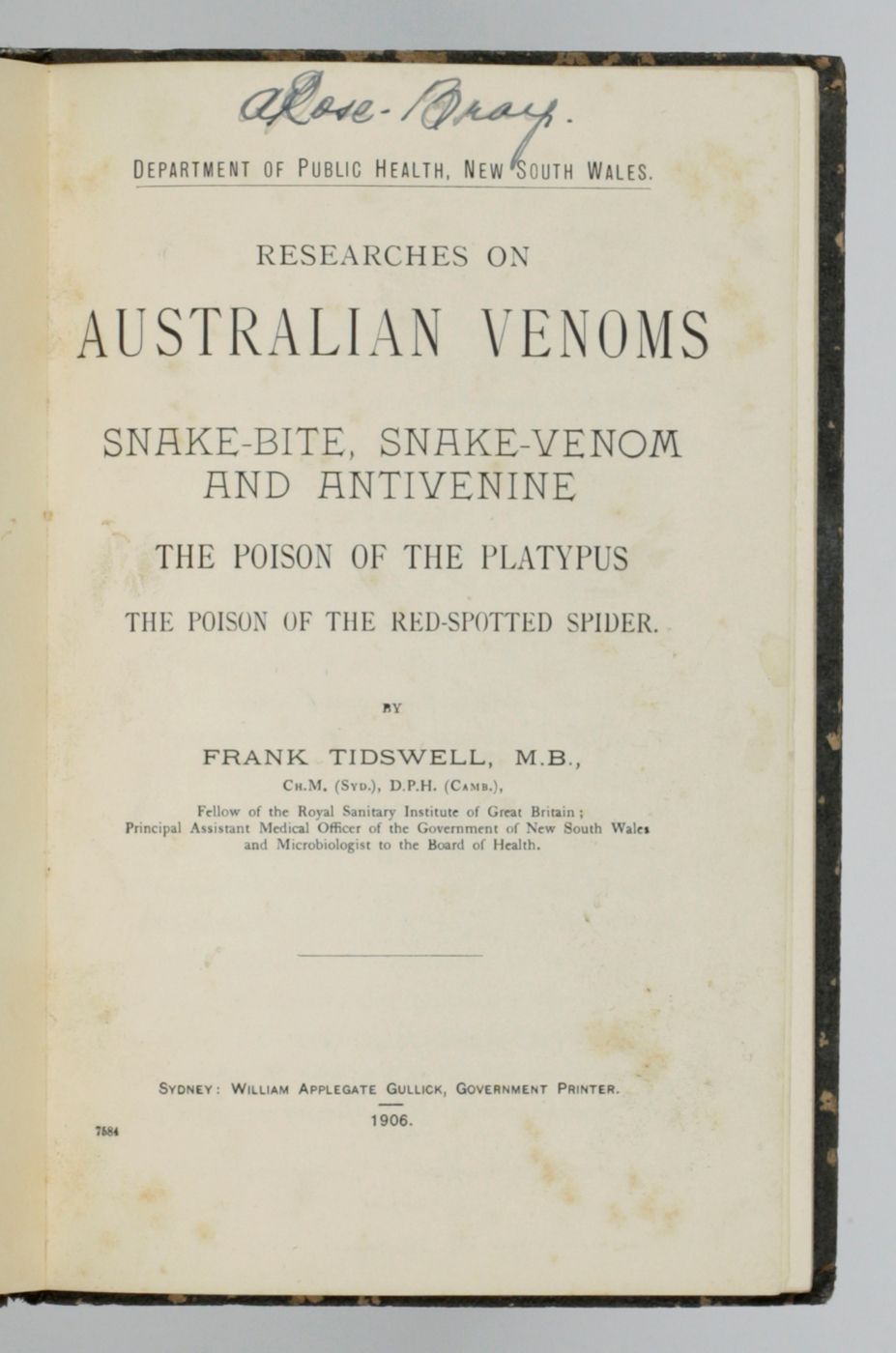
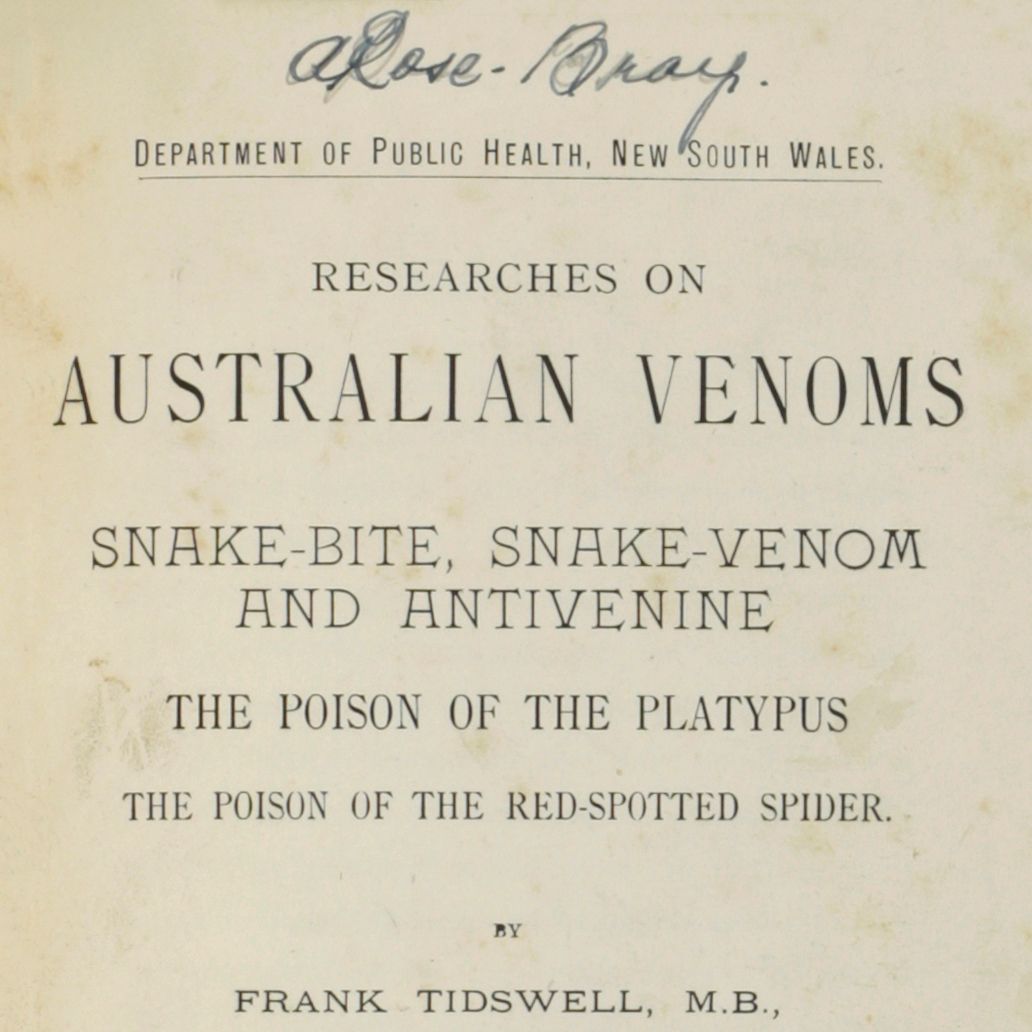
Researches on Australian Venoms. Snake-bite, snake-venom and antivenine. The poison of the platypus. The poison of the red-spotted spider.
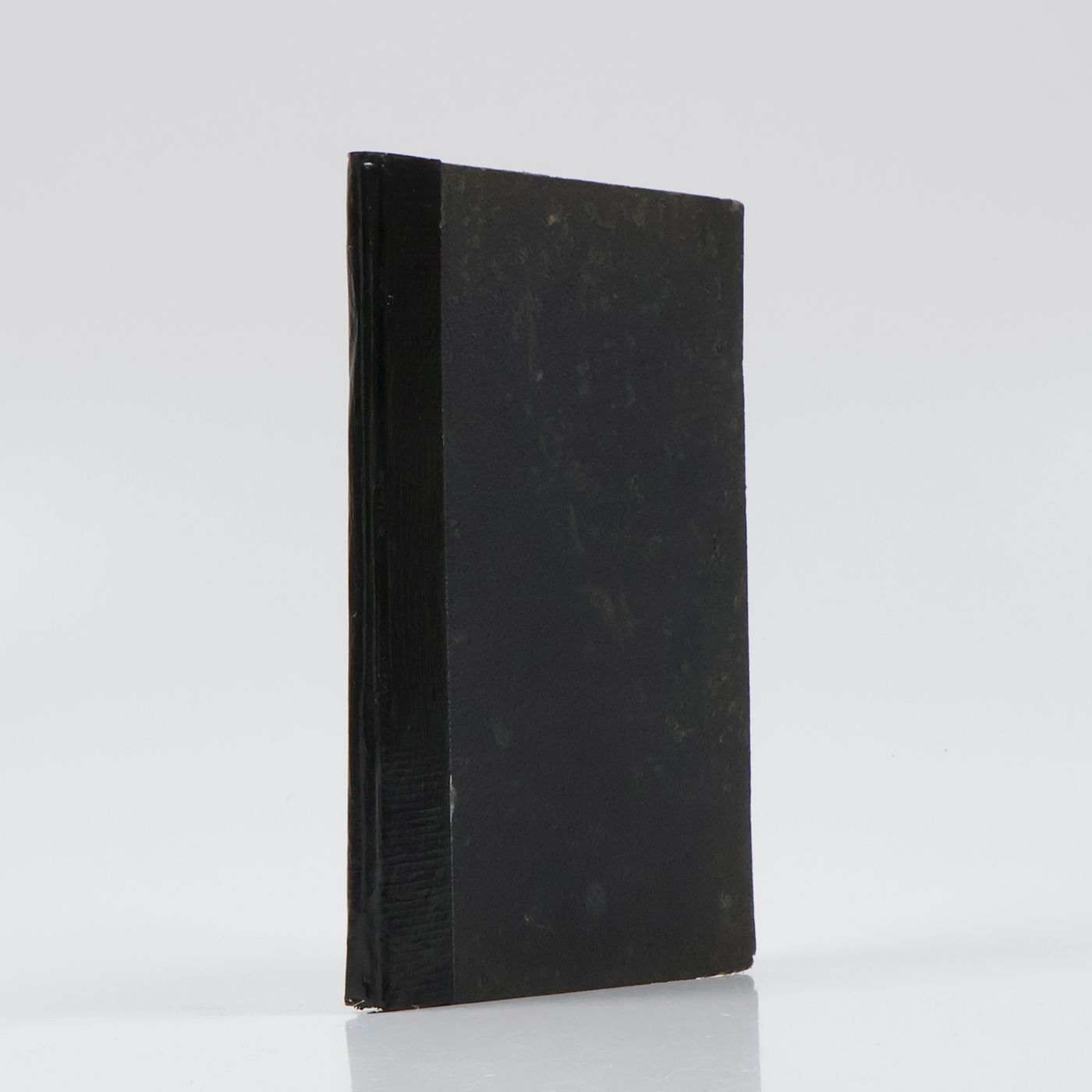
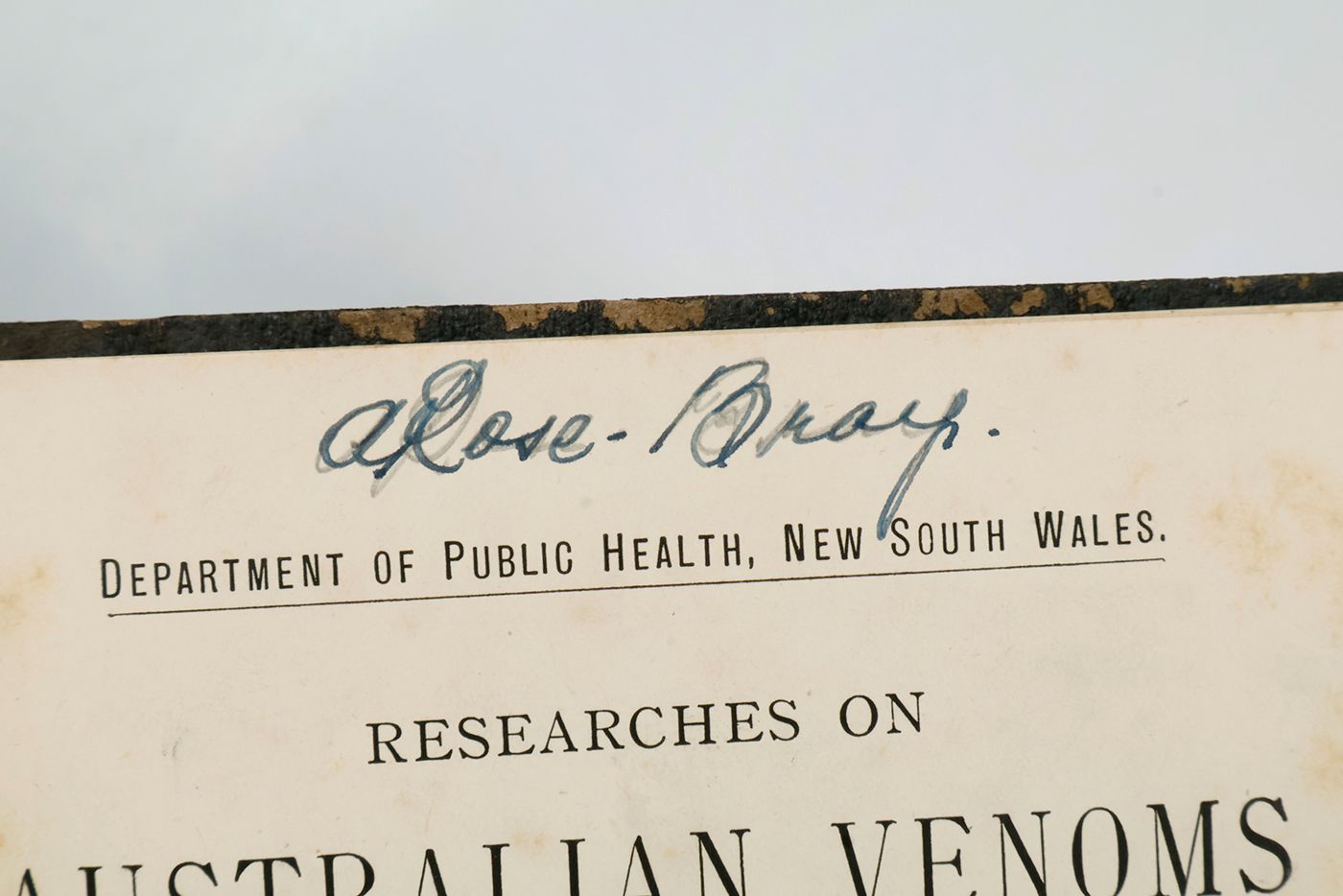
Sydney, Department of Public Health, New South Wales, 1906. 8vo (21.1 x 13.8 cm). vii, 79 pp.; several tables. Later black, patterned tape over contemporary black, pebbled cloth.
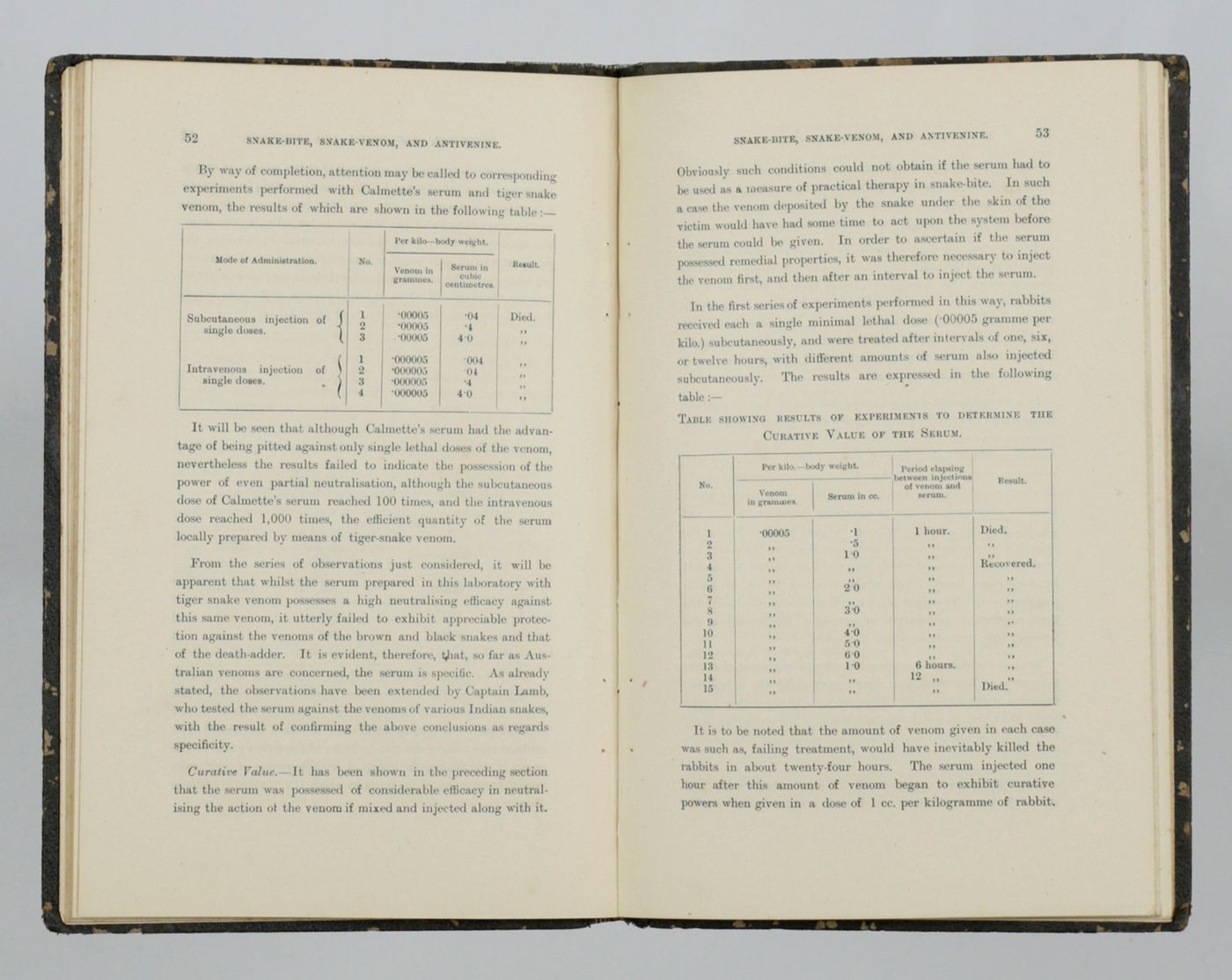
A collection of three papers on poisonous animals, which are quite common in Australia. Least-known for its poison is, perhaps, the platypus ( Ornithorhynchus paradoxus). This work provides a chronological review of the knowledge of the animal's 'spur' and the supposedly poisonous gland associated with it, which was widely described as either a very poisonous weapon, or a harmless device used in copulation. The author, Francis (Frank) Tidswell (1867-1941) an Australian physician interested in venoms, and who served as the Director of the Government Bureau of Microbiology, New South Wales from 1908 until 1913, settled for the first opinion, and conducted several tests to prove so. He turned out to be right. "In this role [Tidswell] has been noted as 'a pathologist of distinction who never sublimated his personality to his public service role.' From 1925, until his death in 1941, Tidswell was the Director of Pathology at the Royal Alexandra Hospital for Children in Sydney. In 1898, Tidswell carried out extensive research on snake venom. He also experimented on the immunisation of horses with tiger snake venom by gradually increasing the quantity of venom injected into the animal until it was capable of withstanding what would at first have been sufficient to kill it. He then set out to determine the quantity of the serum, which he had obtained from the immunised horse, that was required to neutralise this venom - that is, to destroy its effect upon the animal into which he had injected it. Tidswell found that not only did his anti-venene give a high degree of protection against the venom of the tiger snake, but also that the protective effect could be obtained even many hours after the venom had been at work. This is characteristic of the modern anti-venene, that it produces dramatic, almost miraculous, effects upon patients who may have been bitten many hours before the anti-venene can be administered, and who may already have collapsed and be beyond all hope of recovery by any other treatment" (Wikipedia). Inscribed in the top margin of the title page; some mild foxing, the inner joints rather weak, otherwise a very good copy. Neither in Adler nor in Cat. BM(NH).