Bonanni, P.
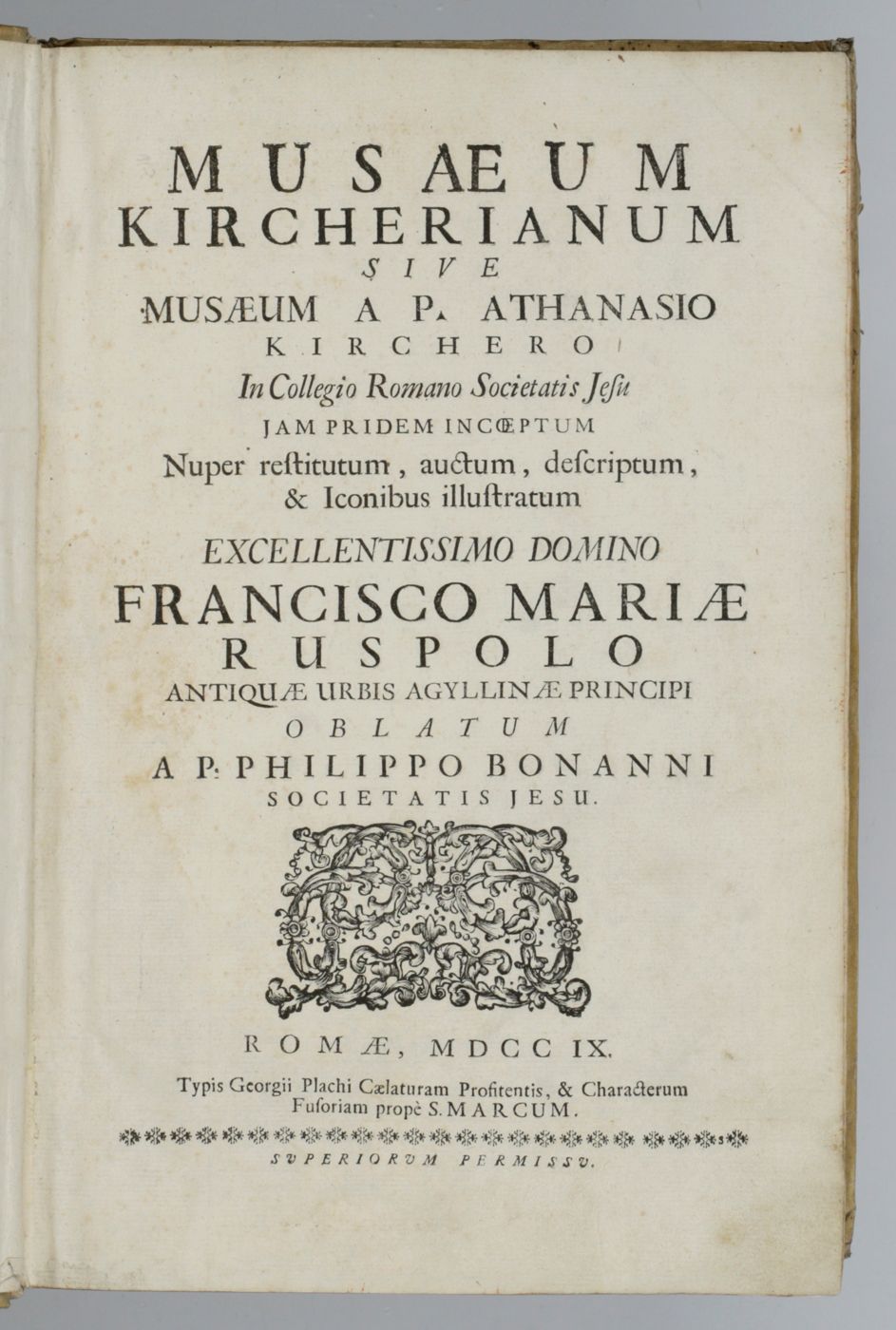
Musaeum Kircherianum sive musaeum a p. Athanasio Kirchero in Collegio Romano Societatis Jesu jam pridem incoeptum nuper restitutum, auctum, descriptum, & iconibus illustratum.
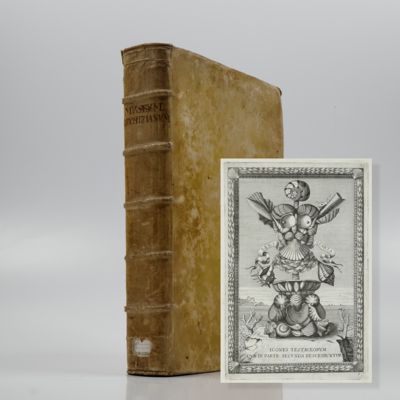
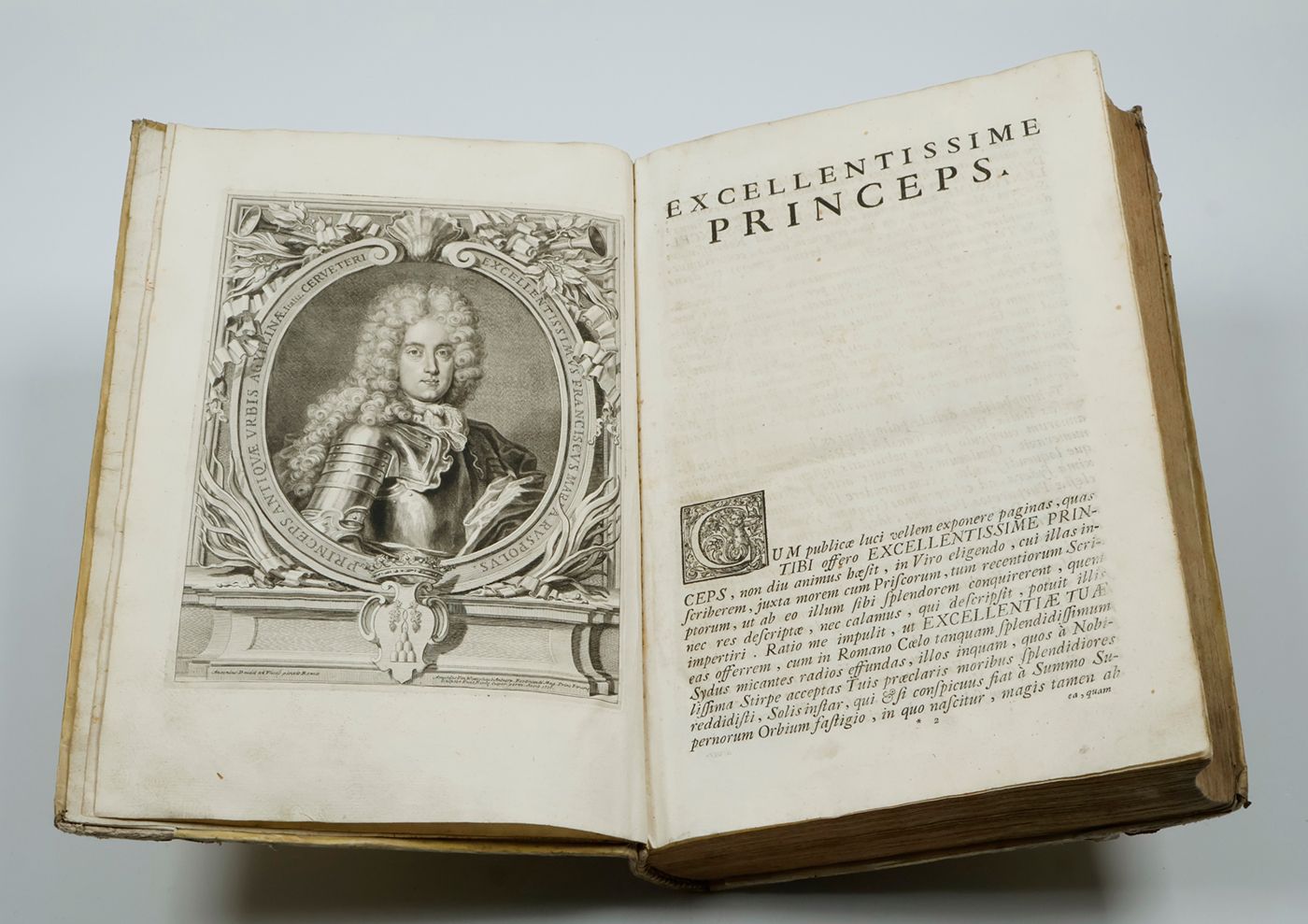
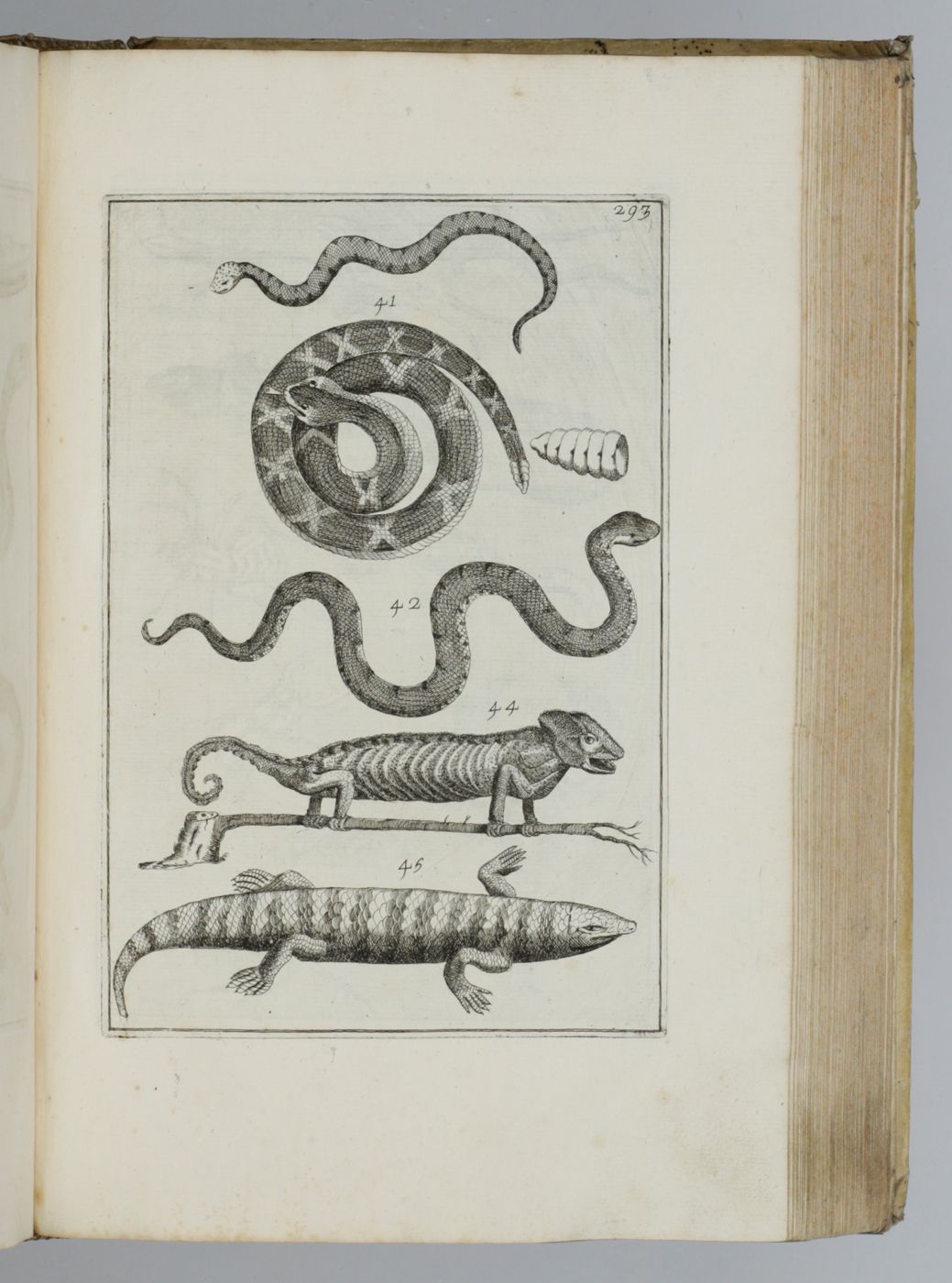
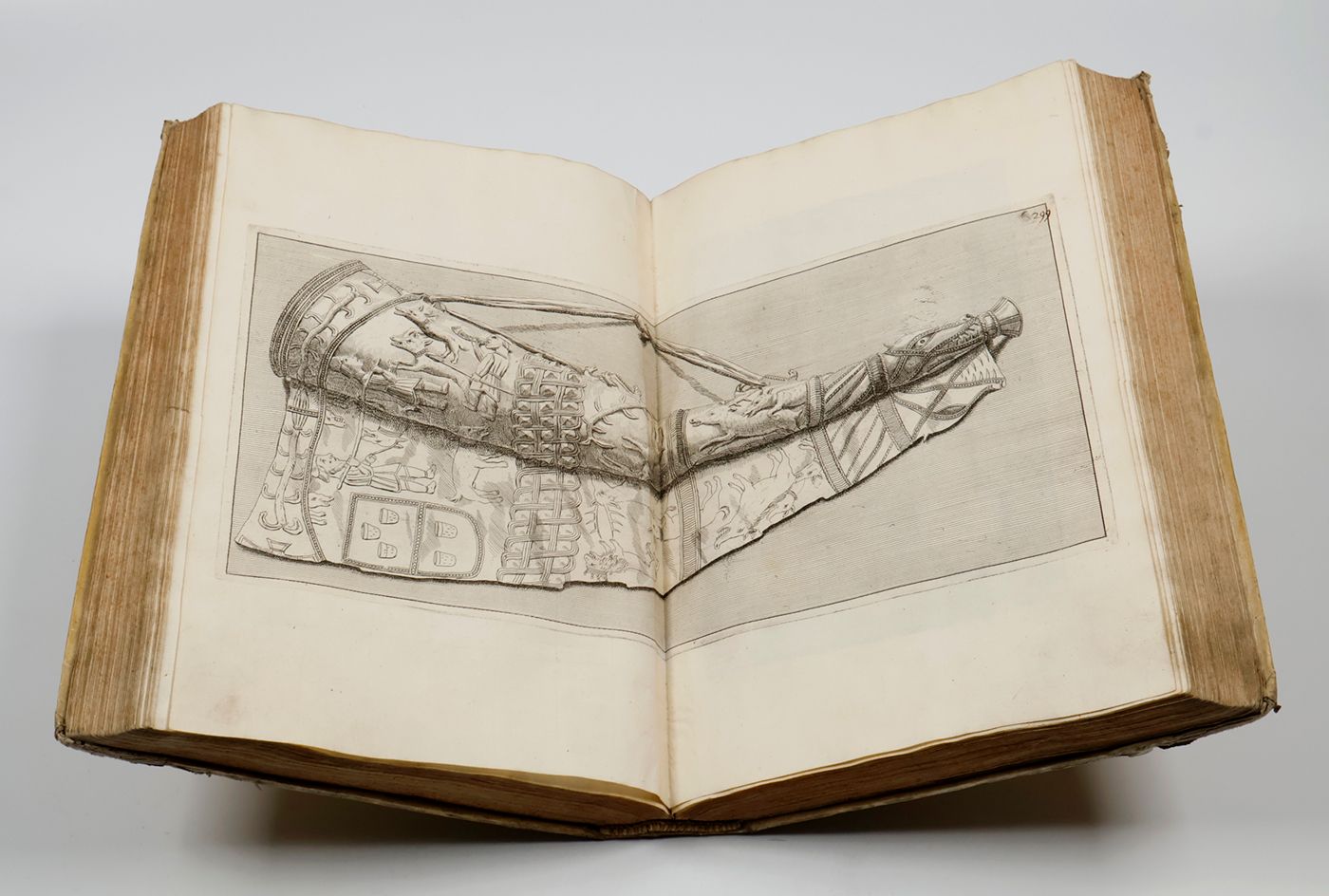
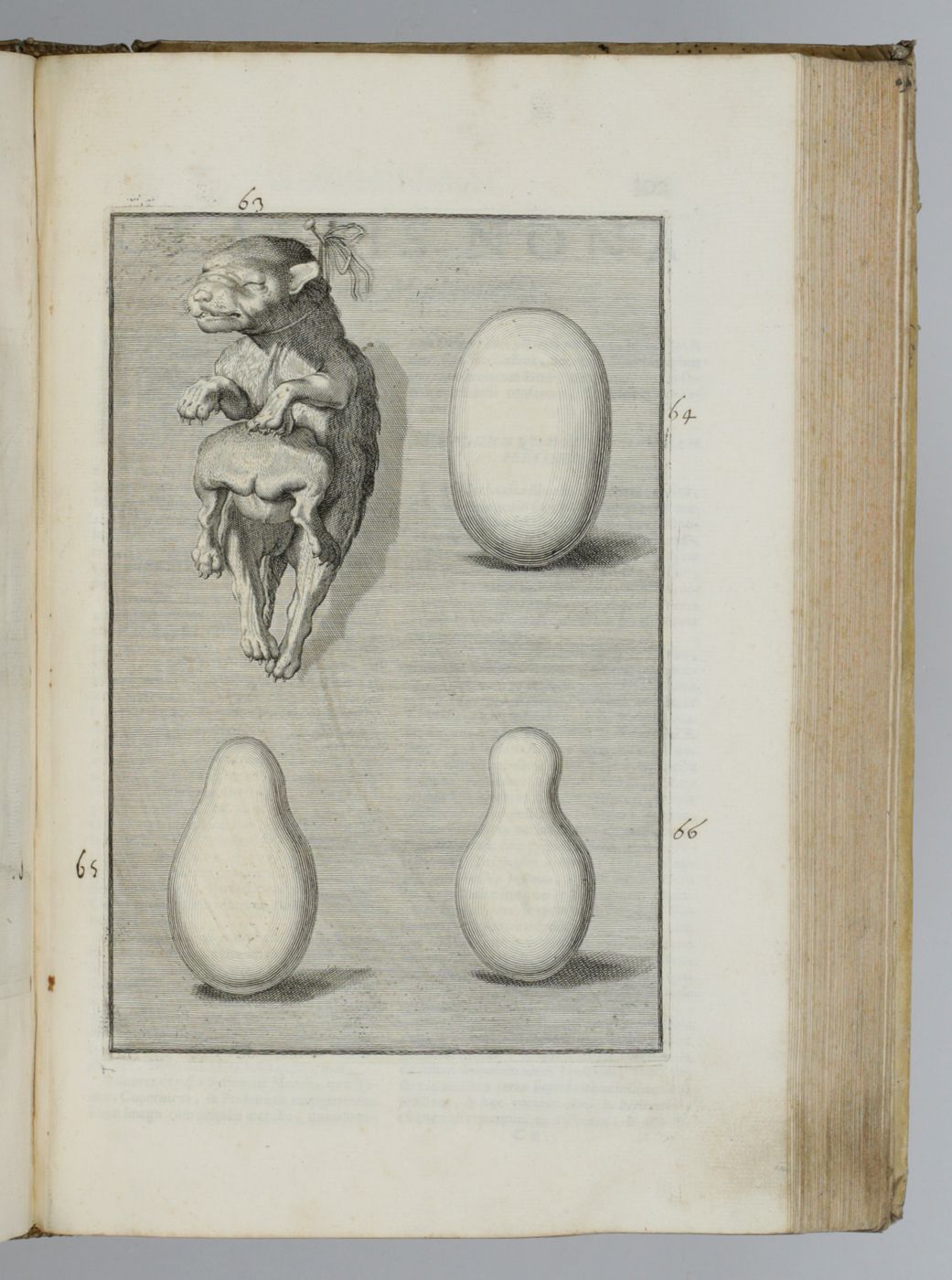
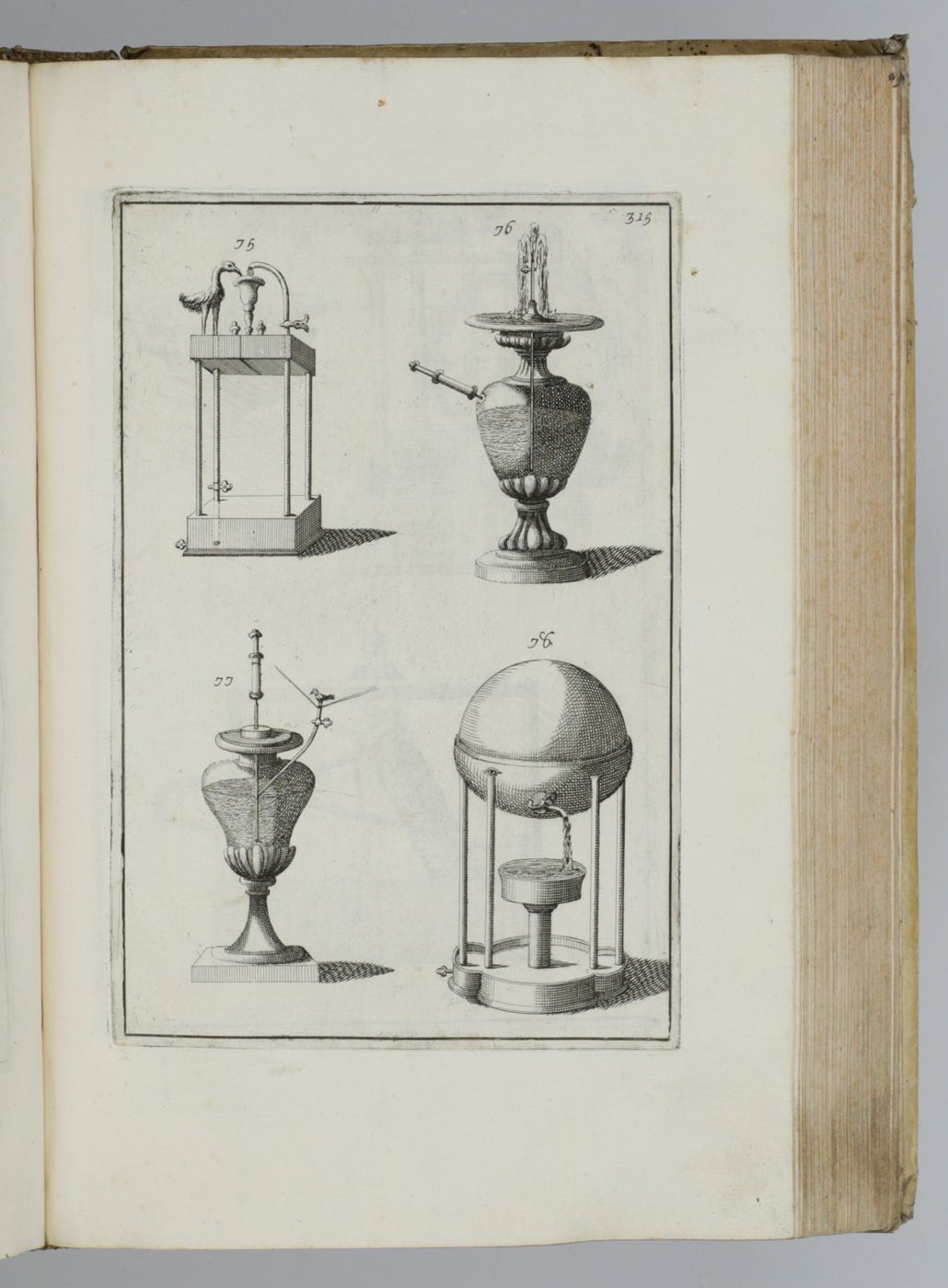
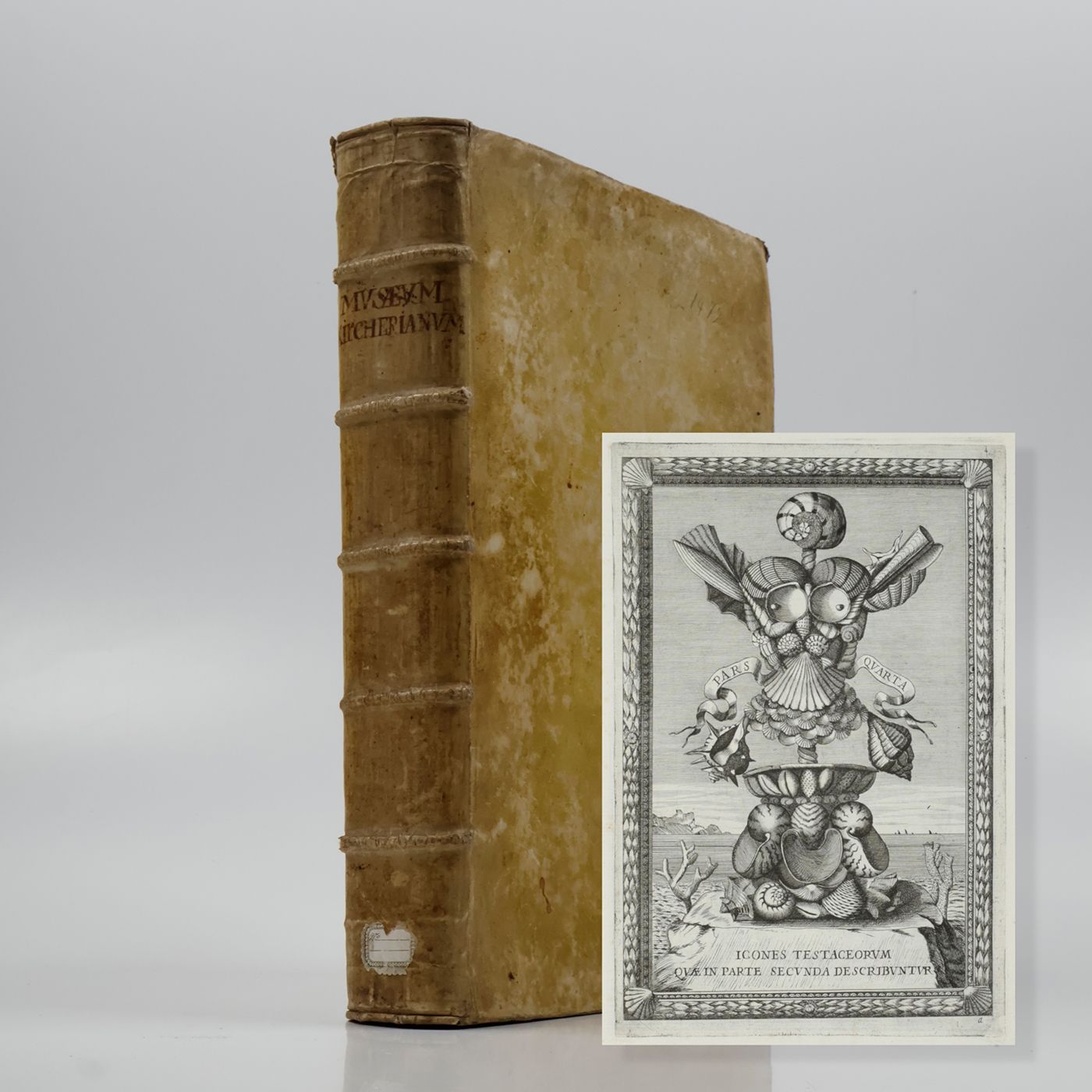
Rome, Giorgio Placho, 1709-1710. Folio (36.0 x 23.5 cm). Title page with woodcut vignette; frontispiece portrait; [x], 522 [recte 512], [vii] pp.; 172 engraved plates, of which two double-sized. Contemporary full vellum. Spine with five raised bands and script title in an old hand. Edges mottled red.
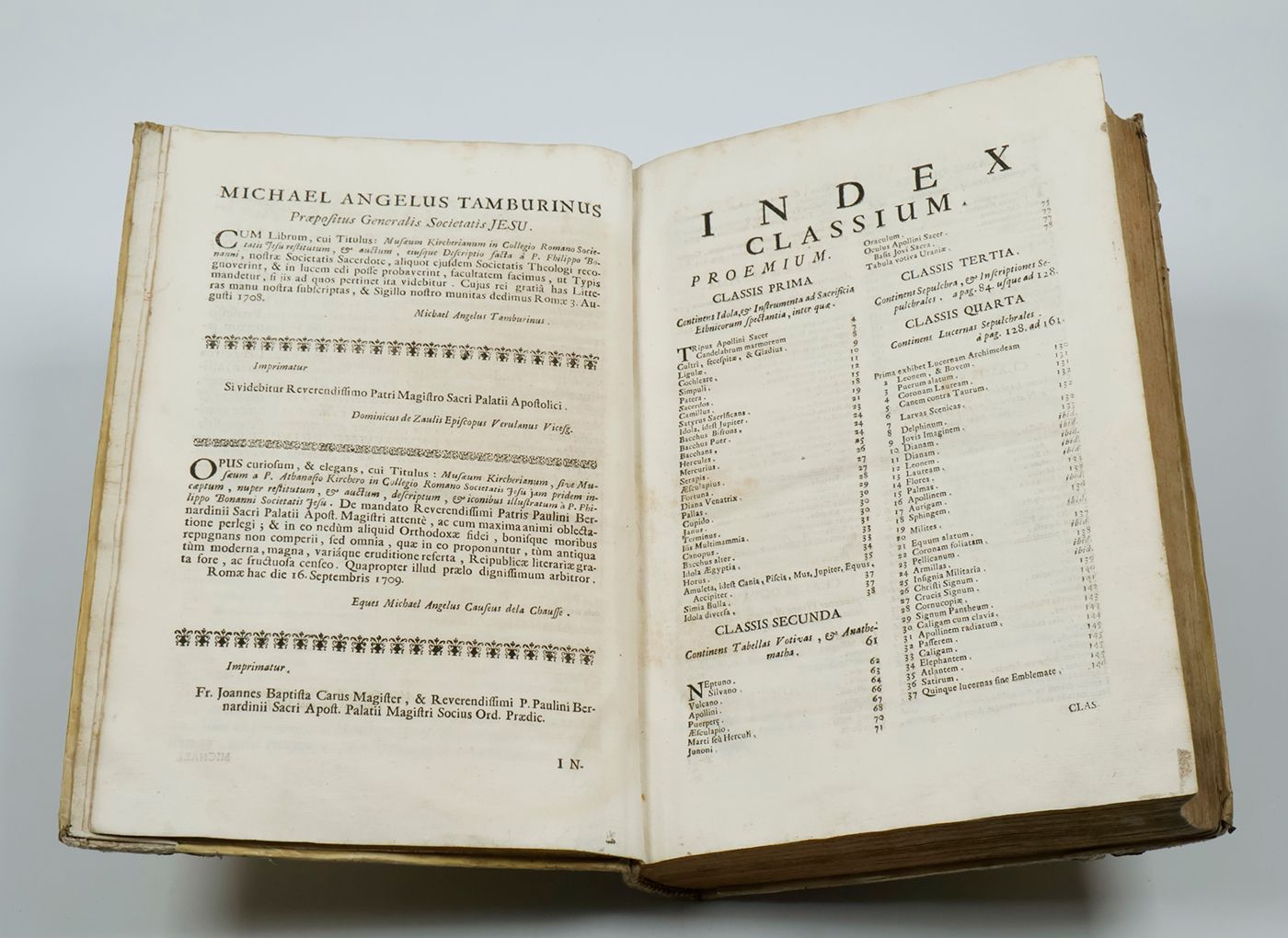
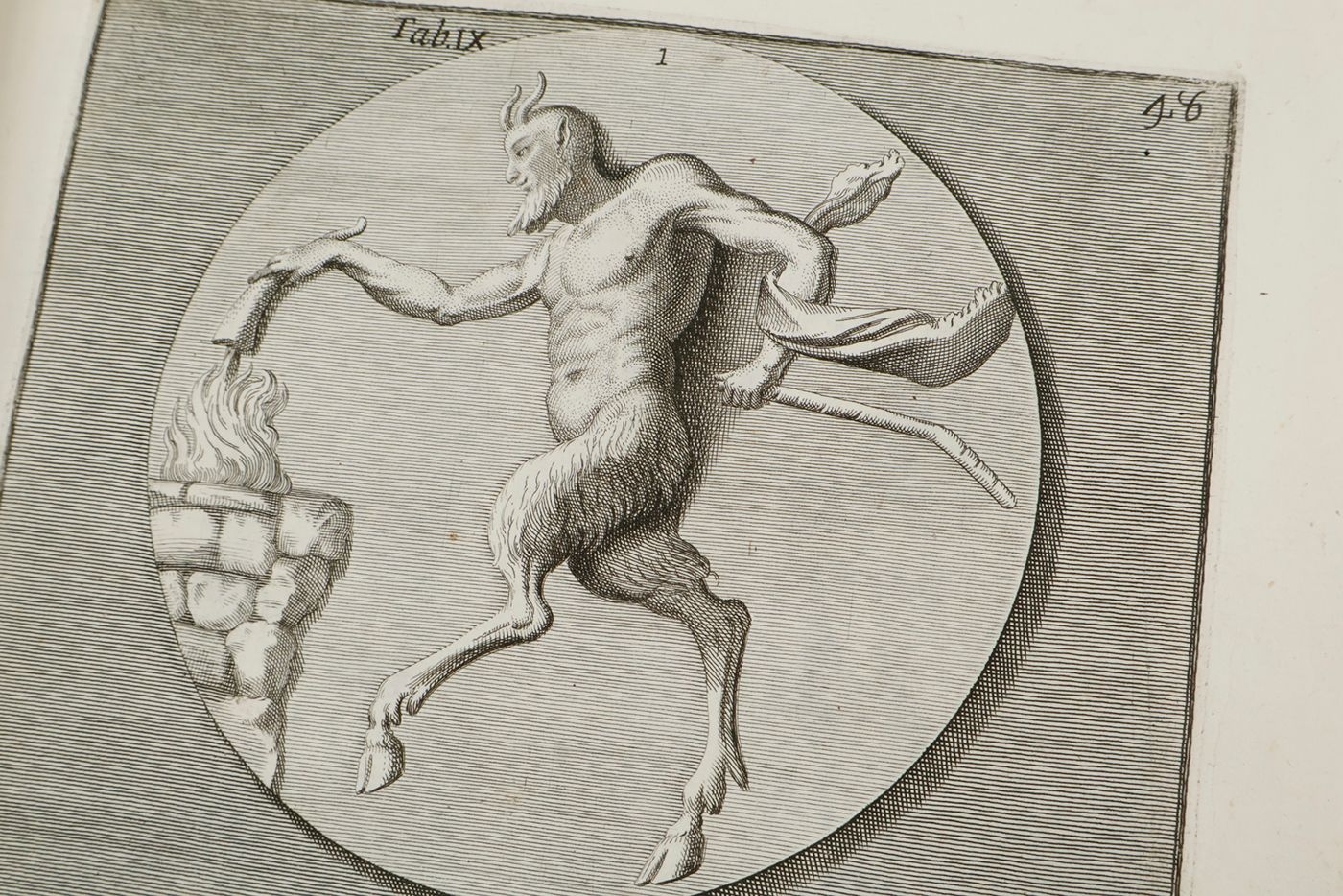
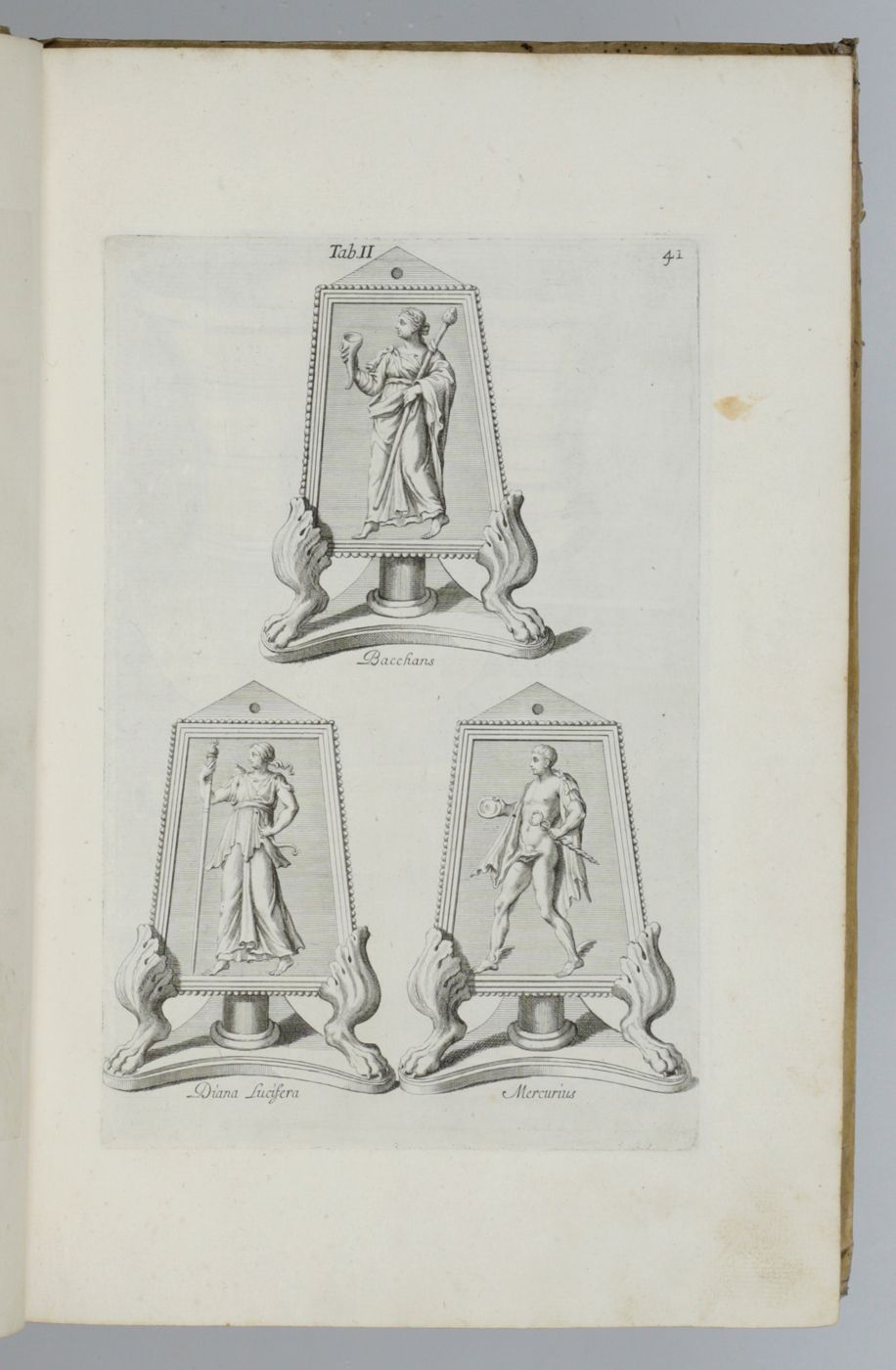
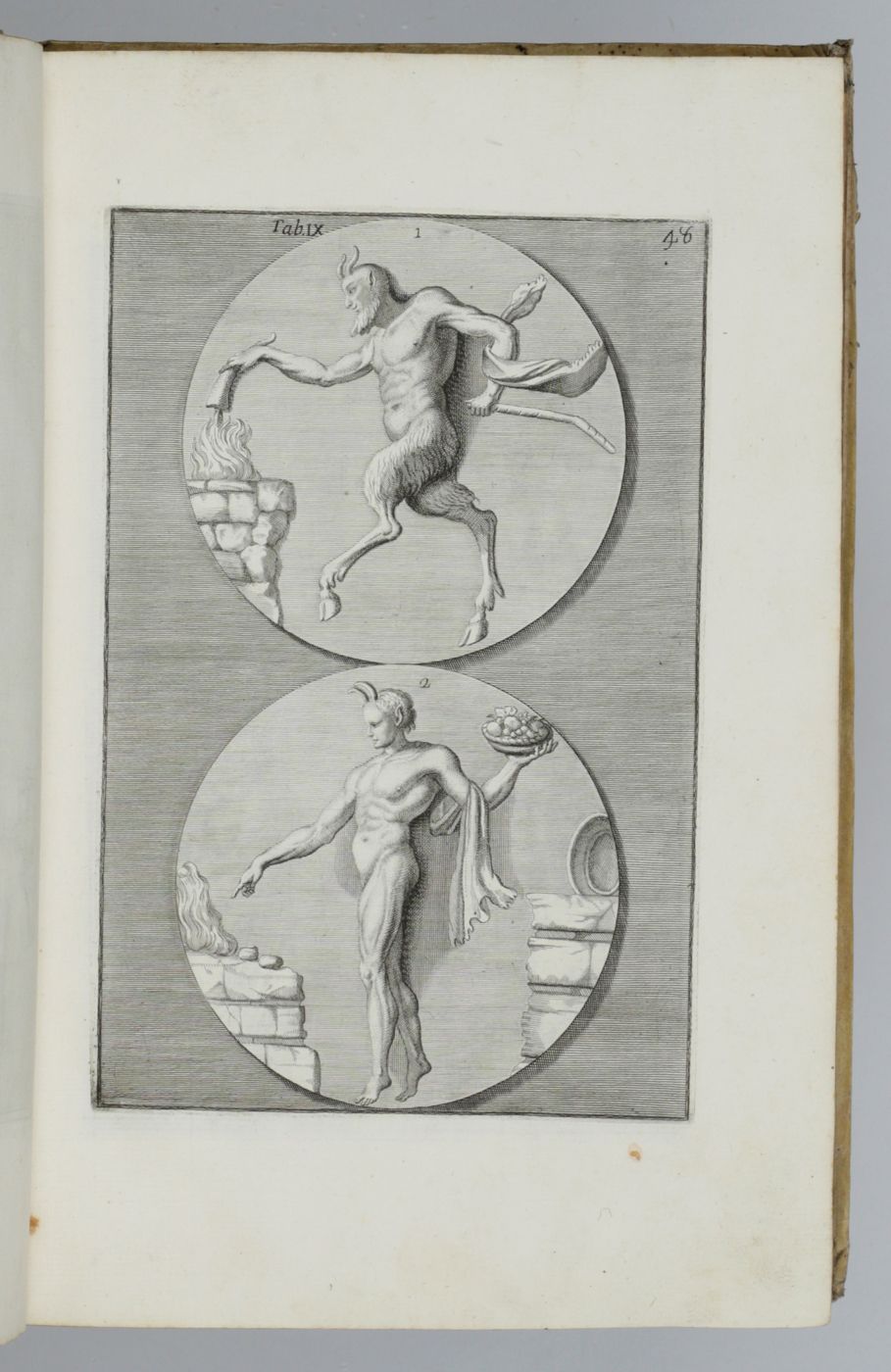
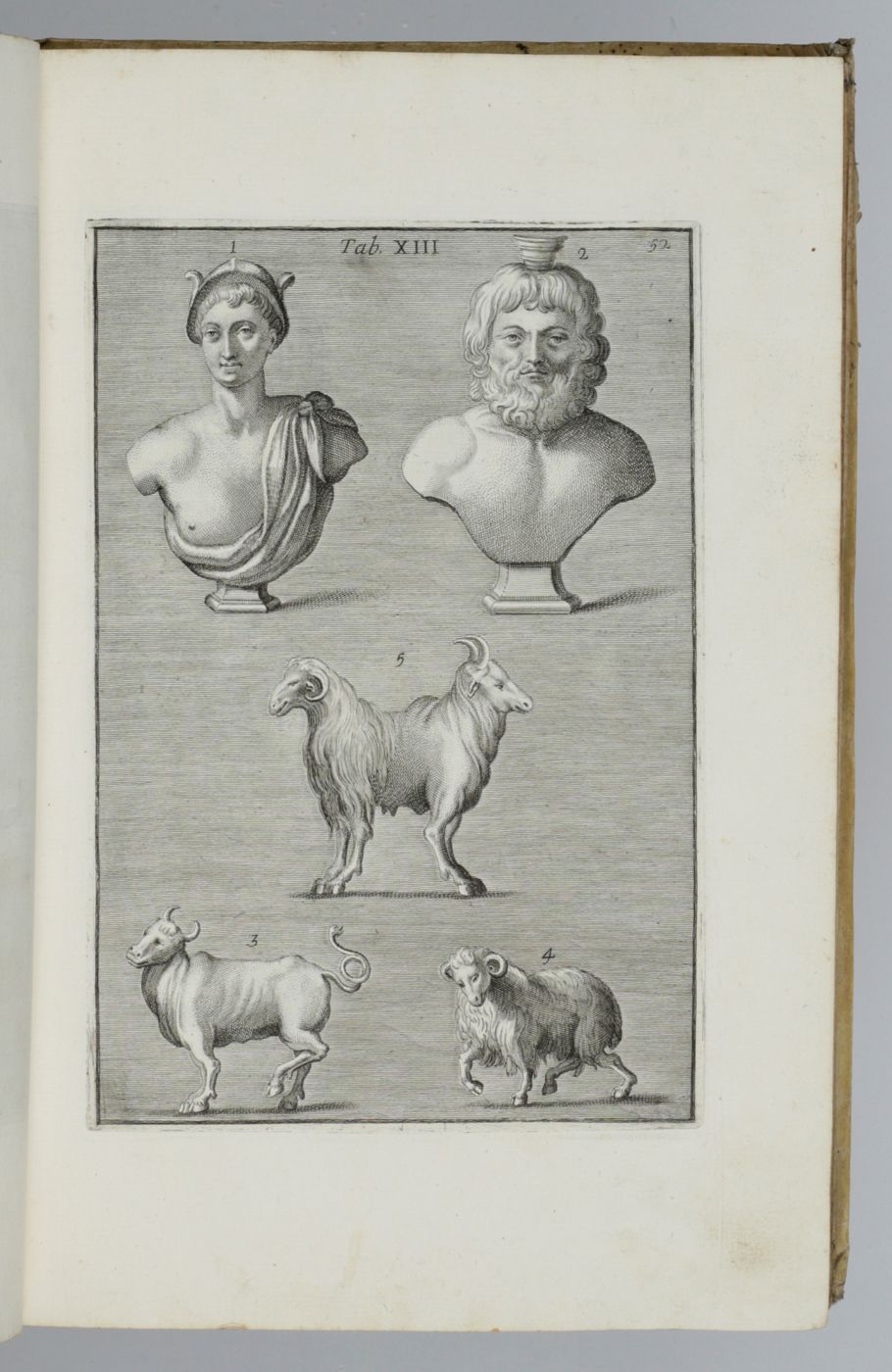
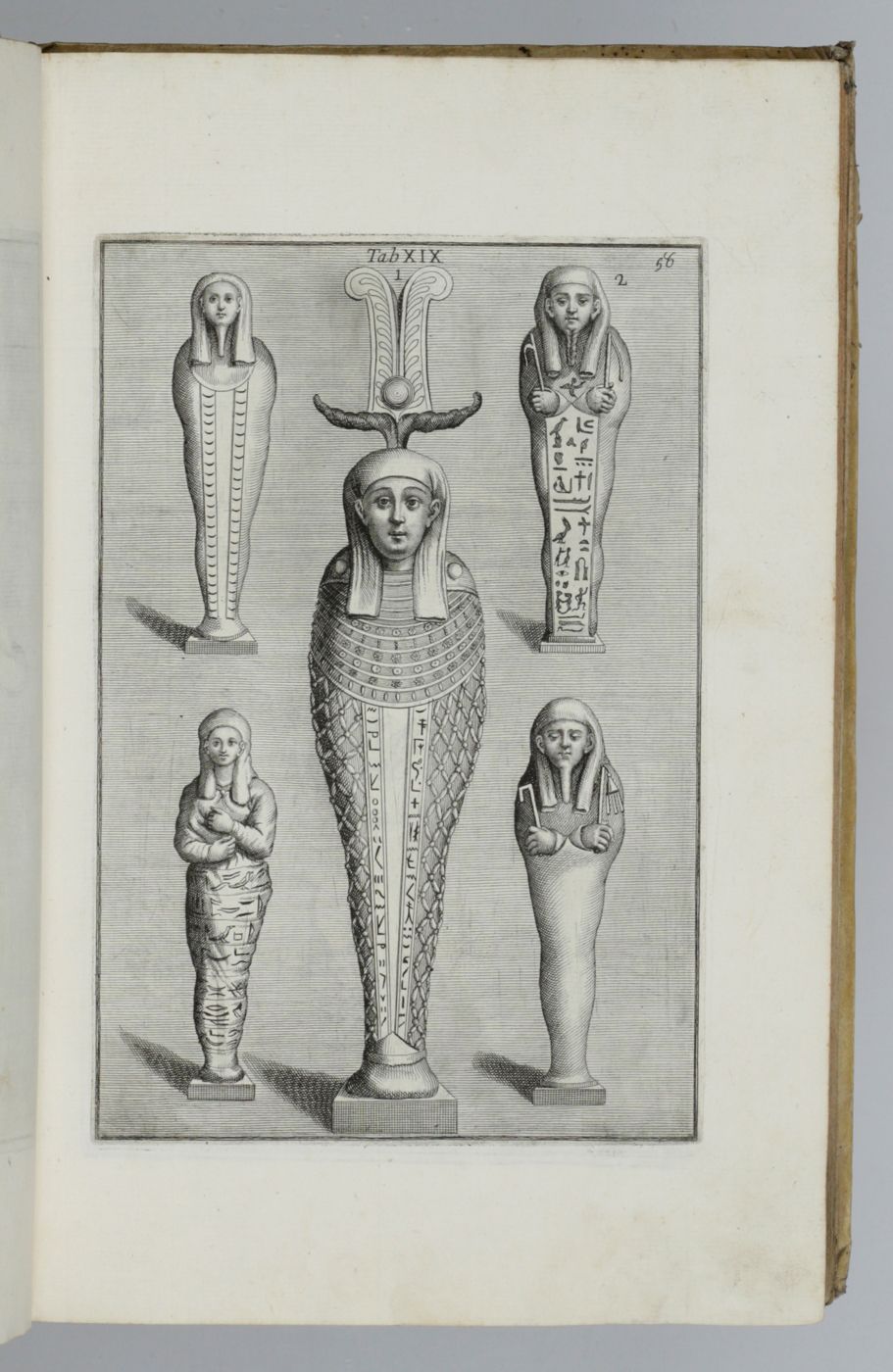
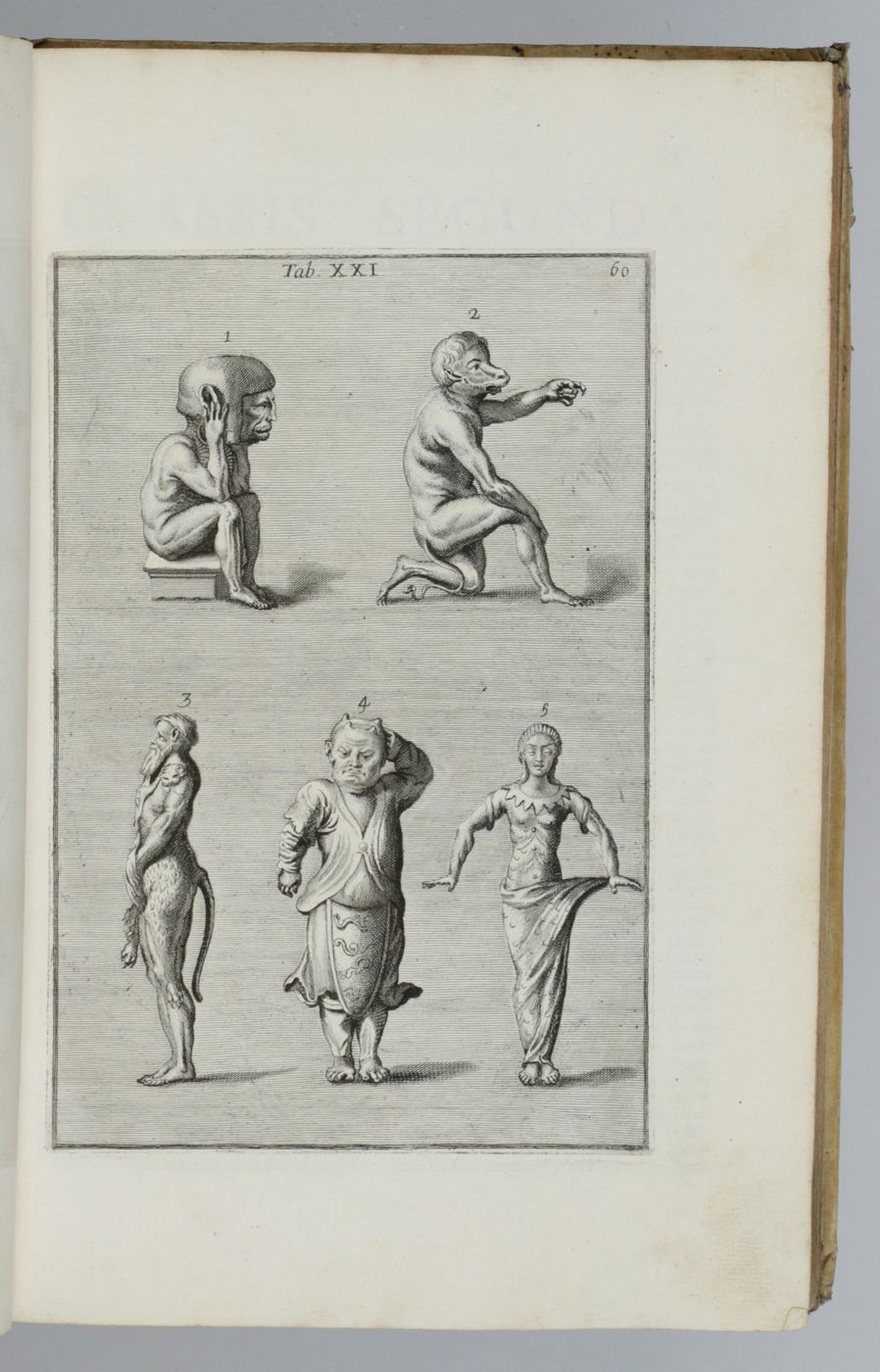
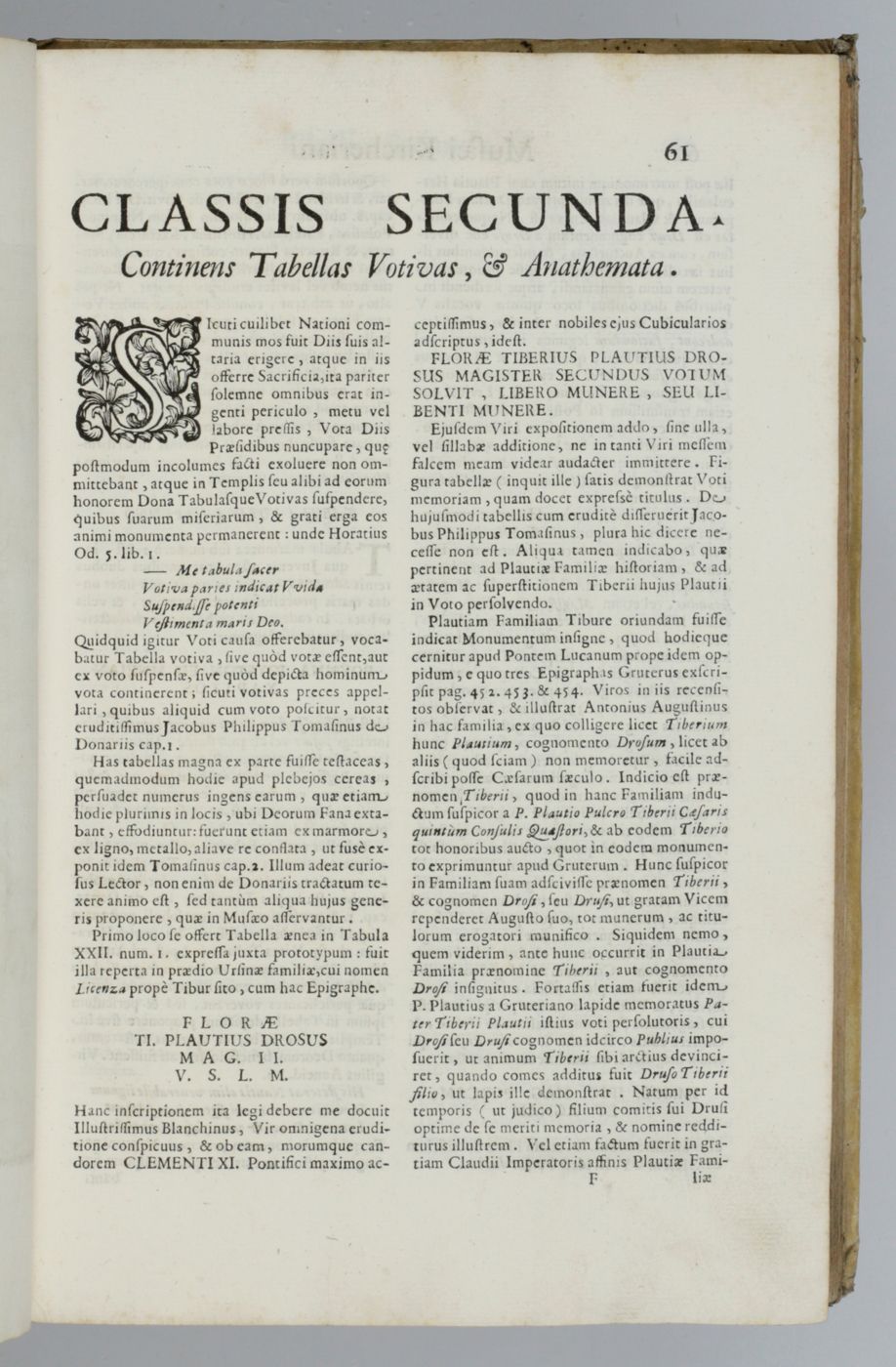
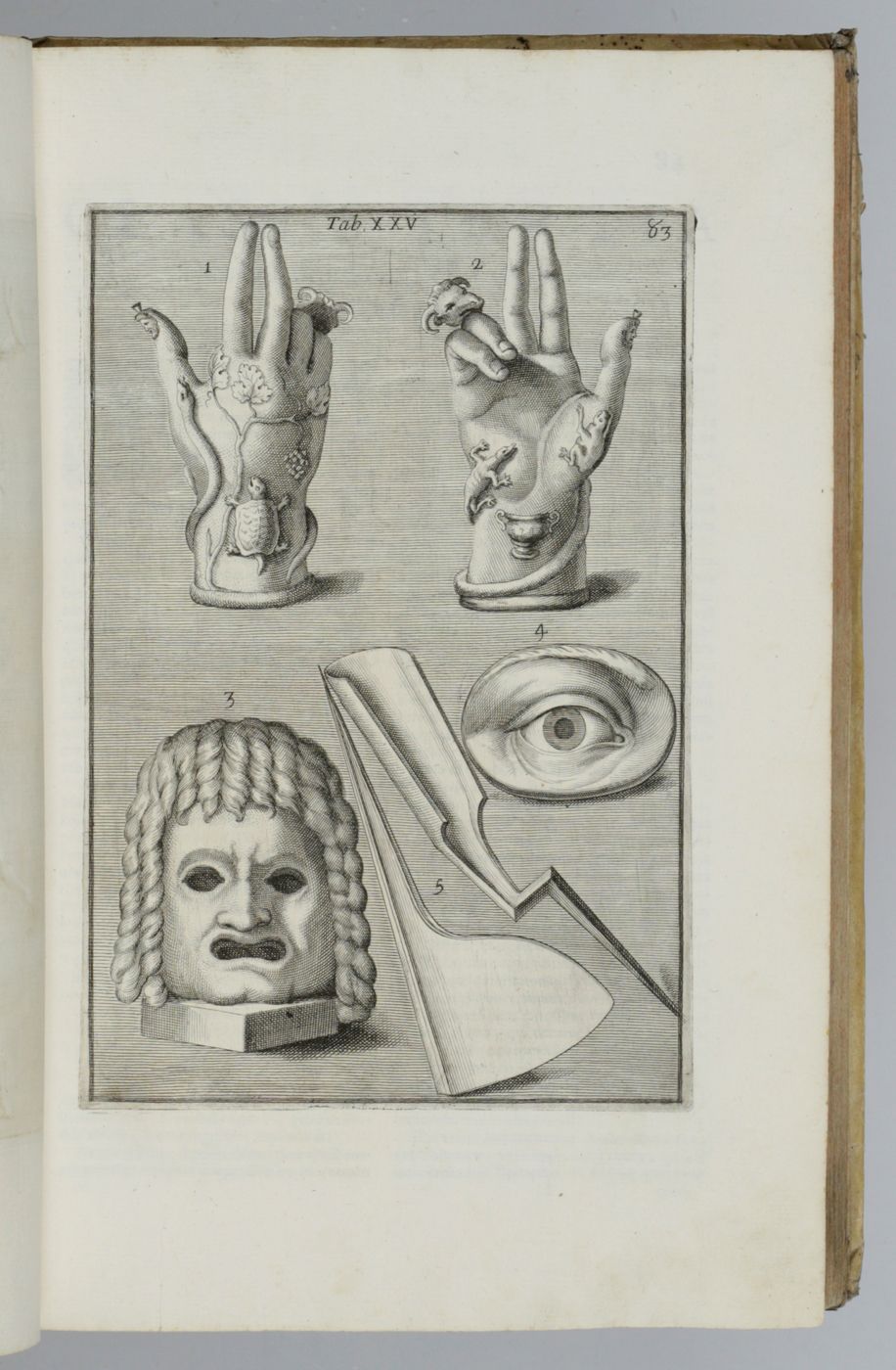
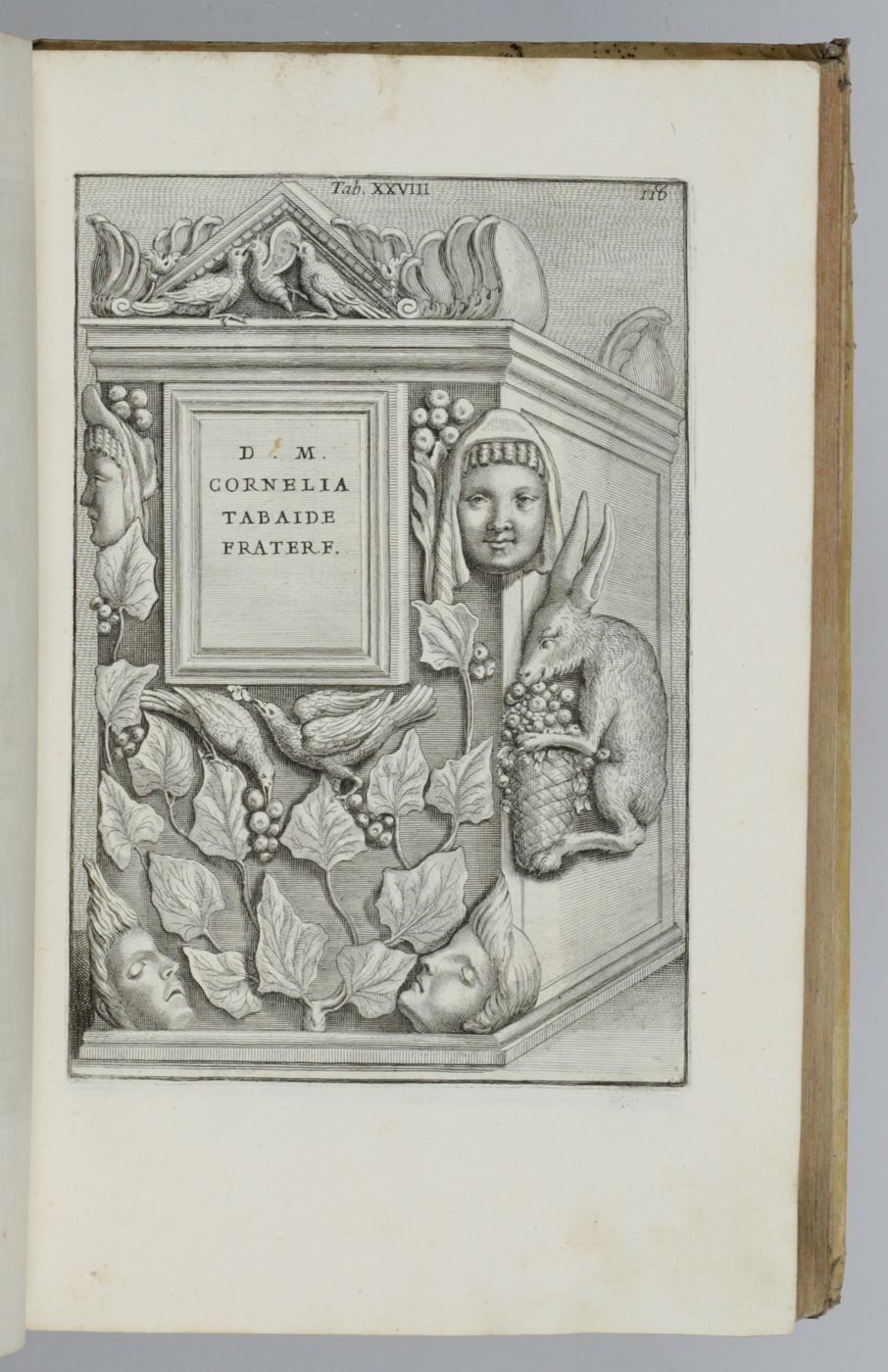
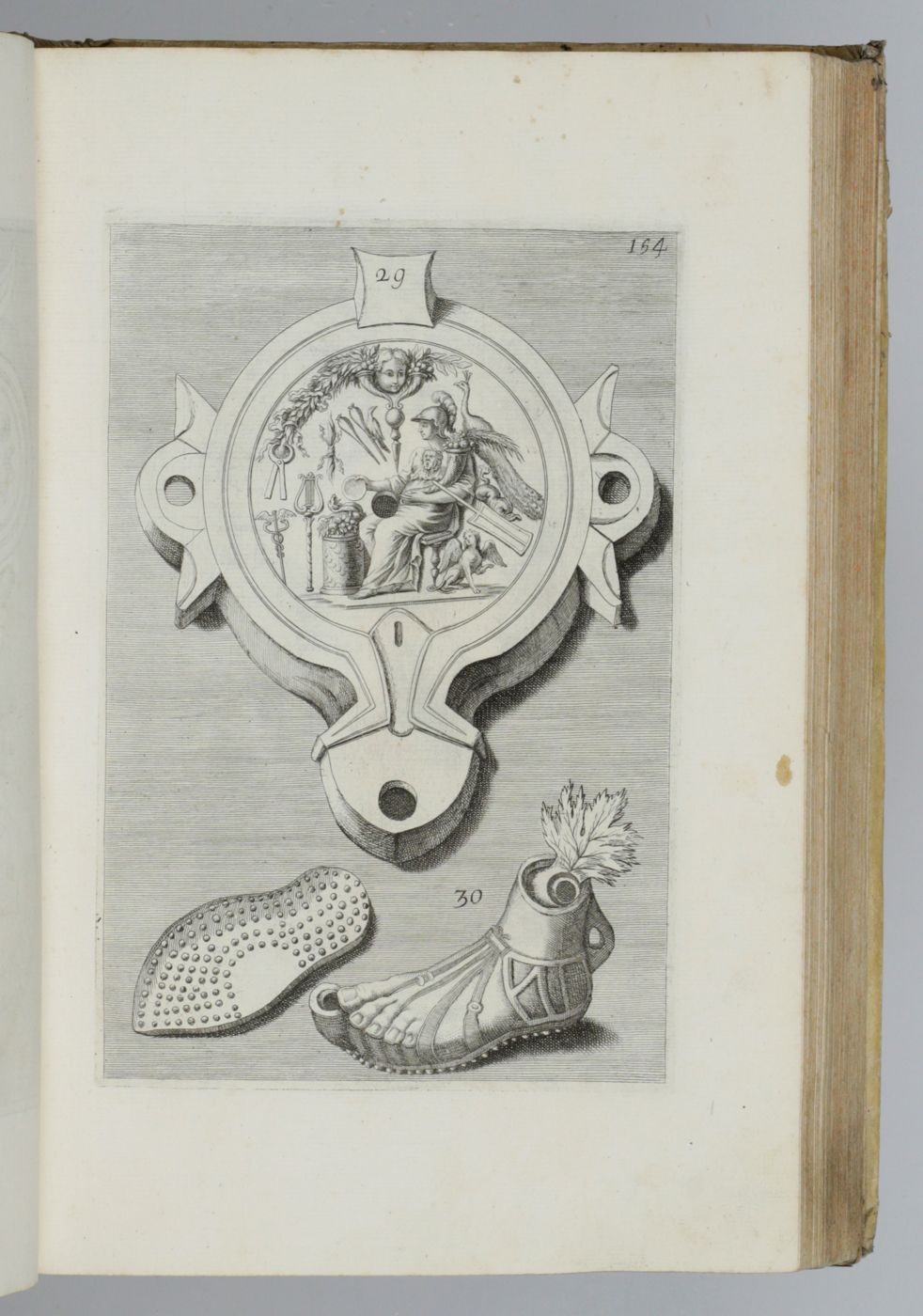
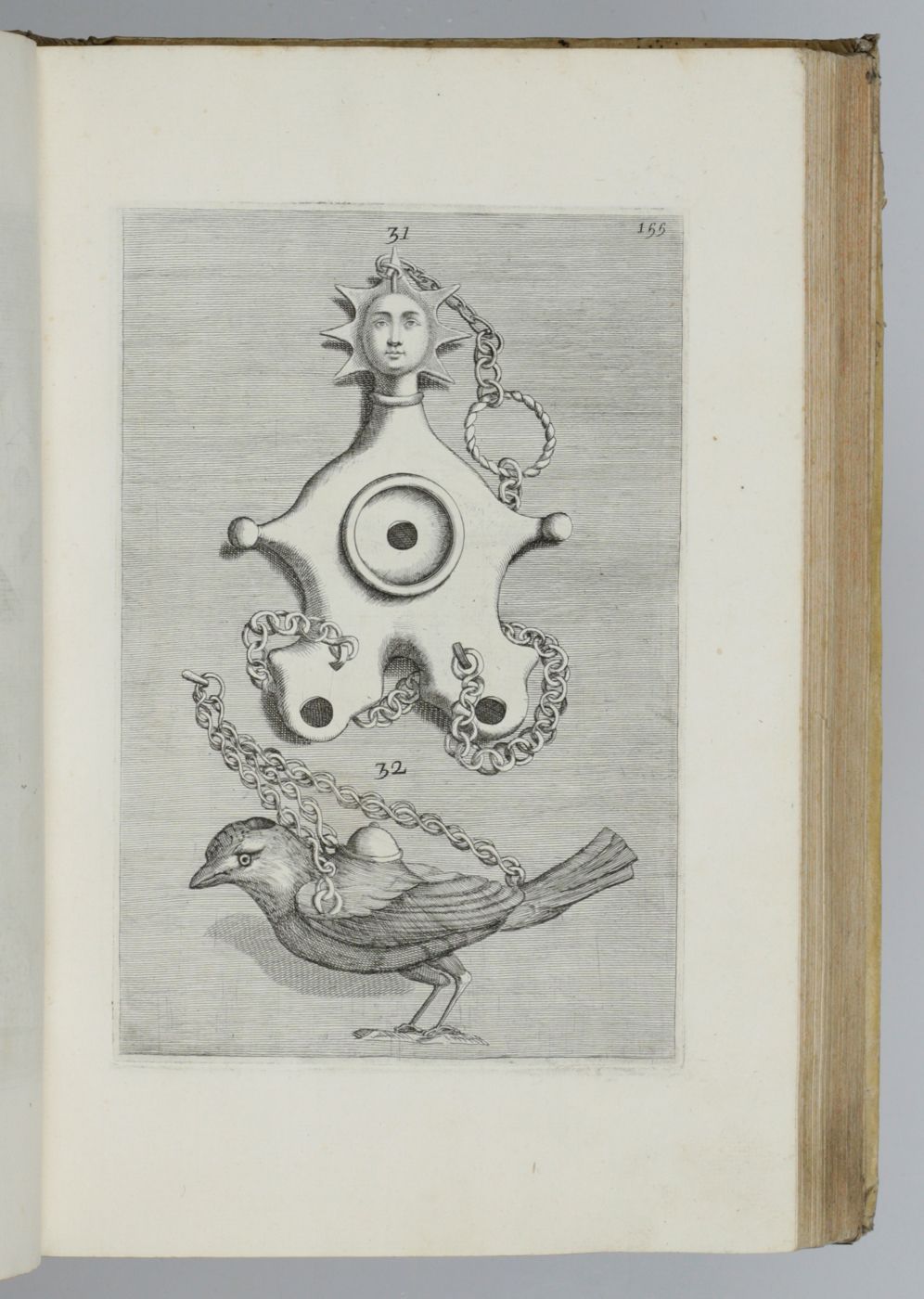
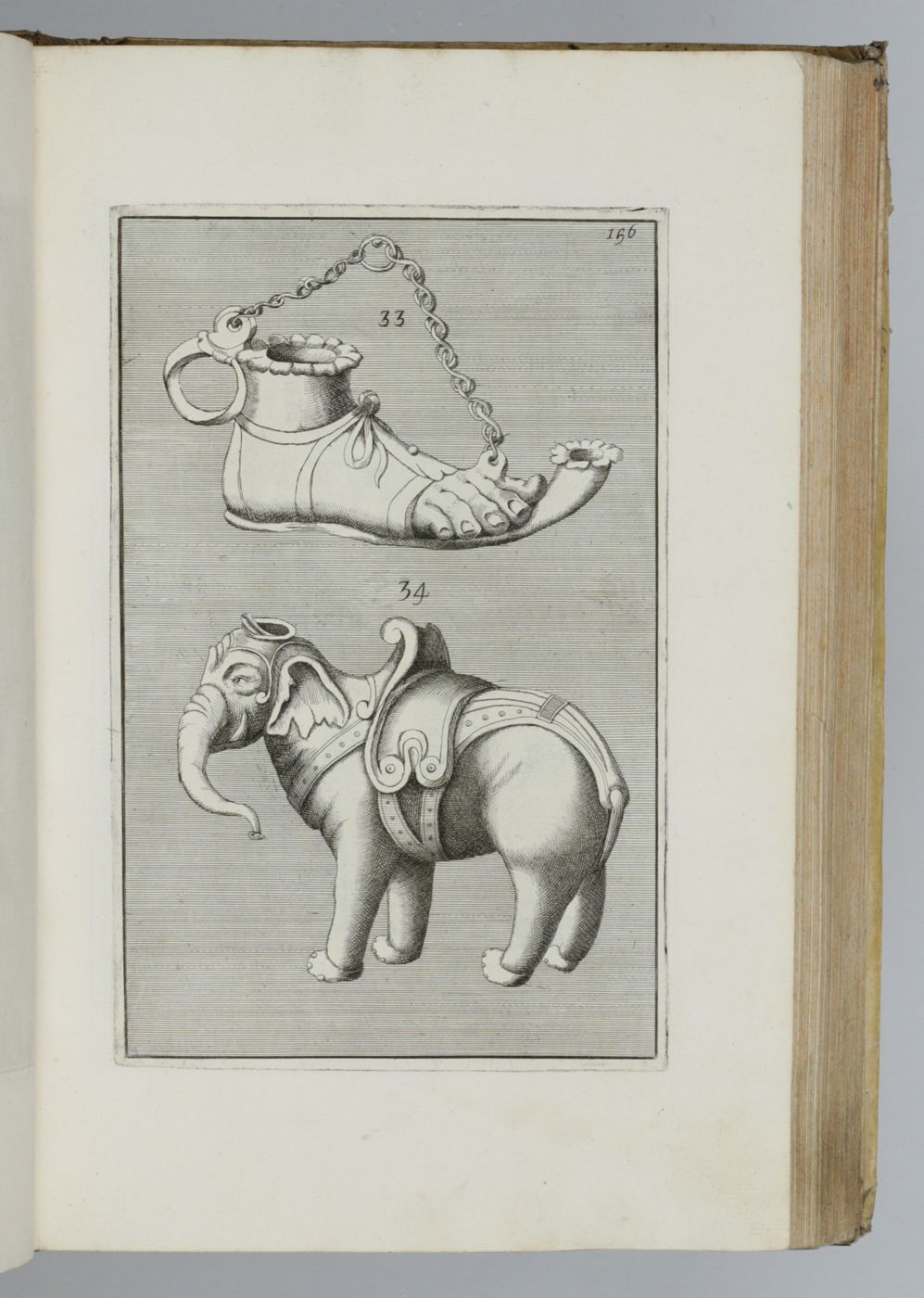
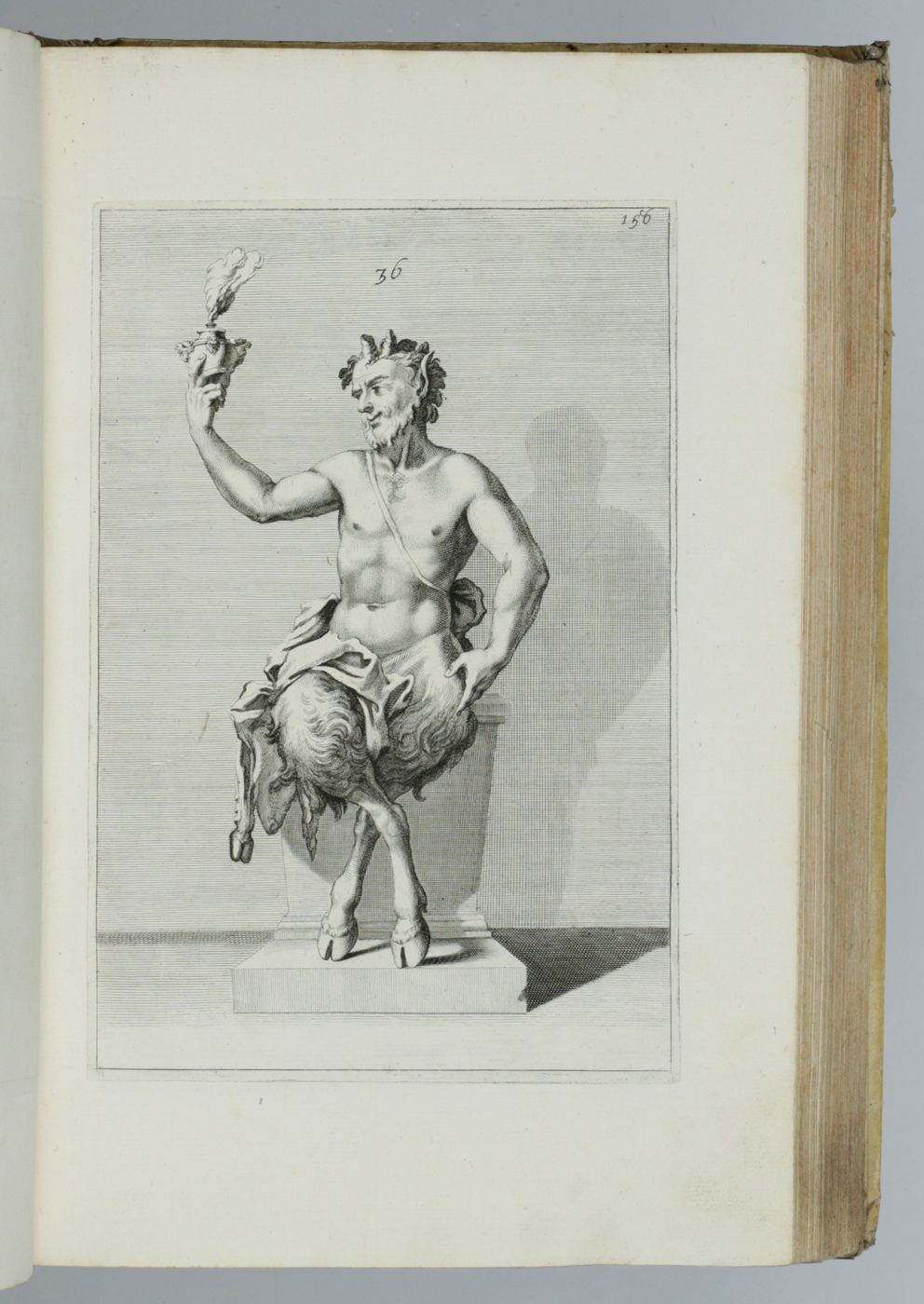
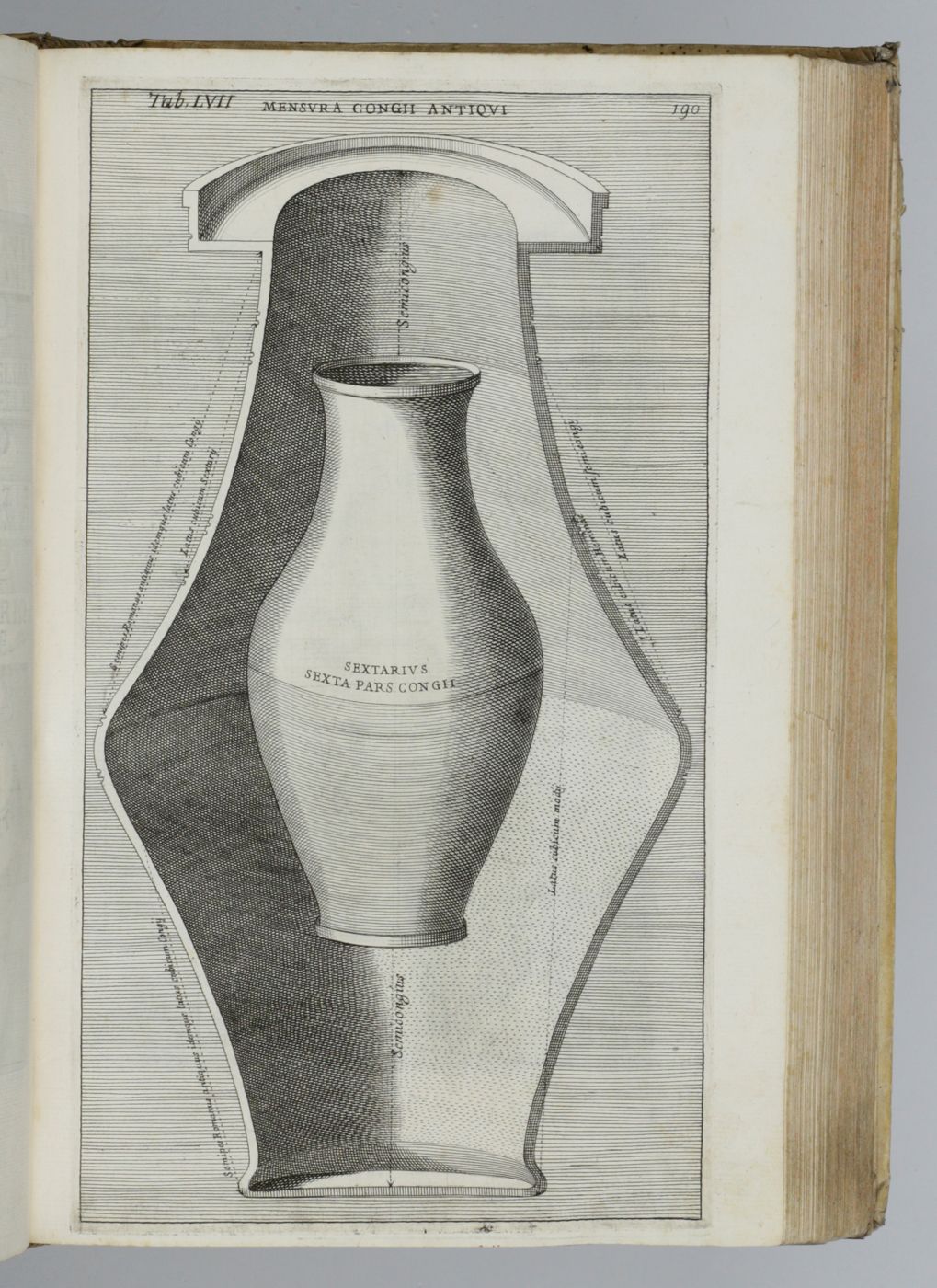
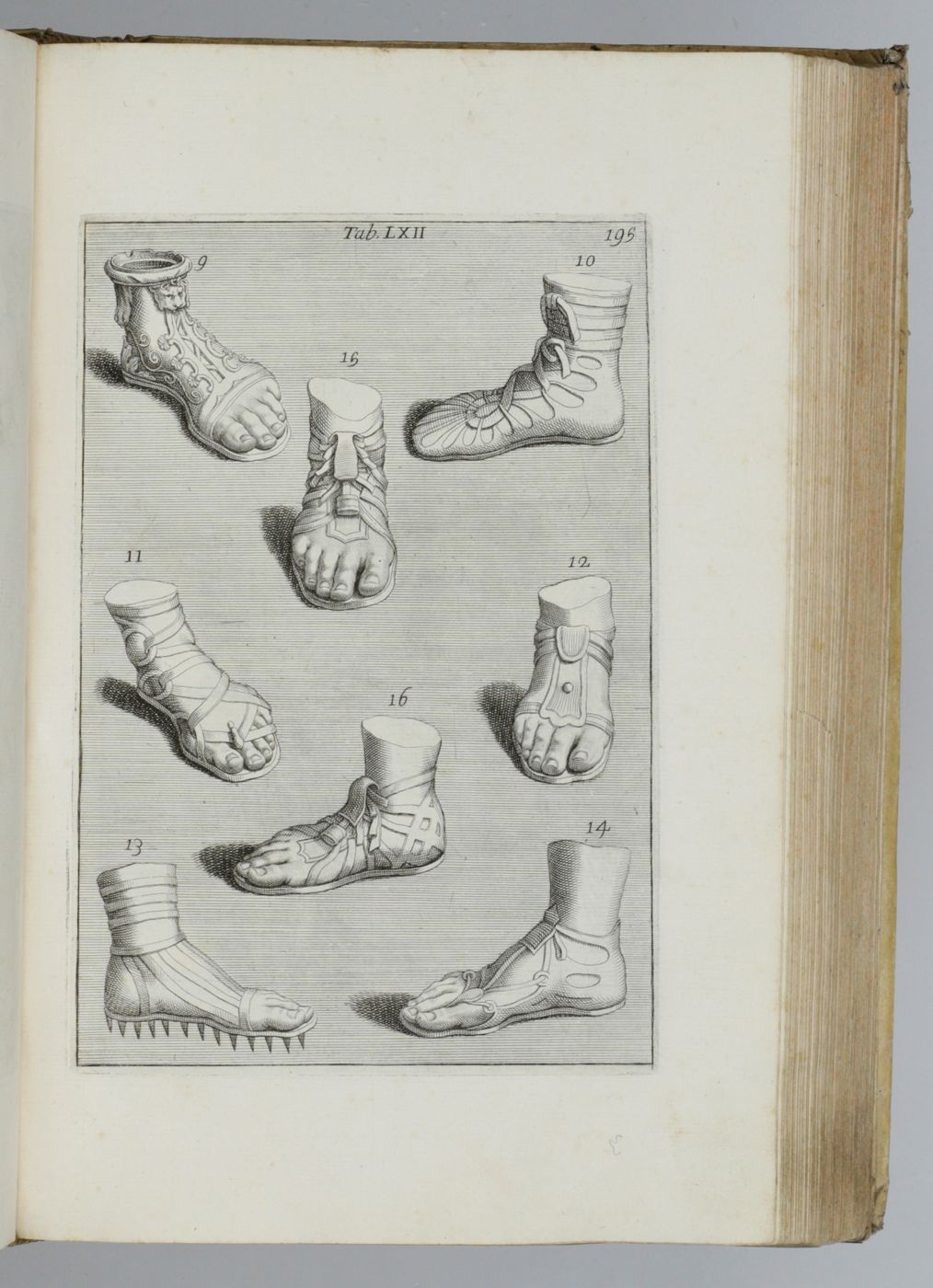
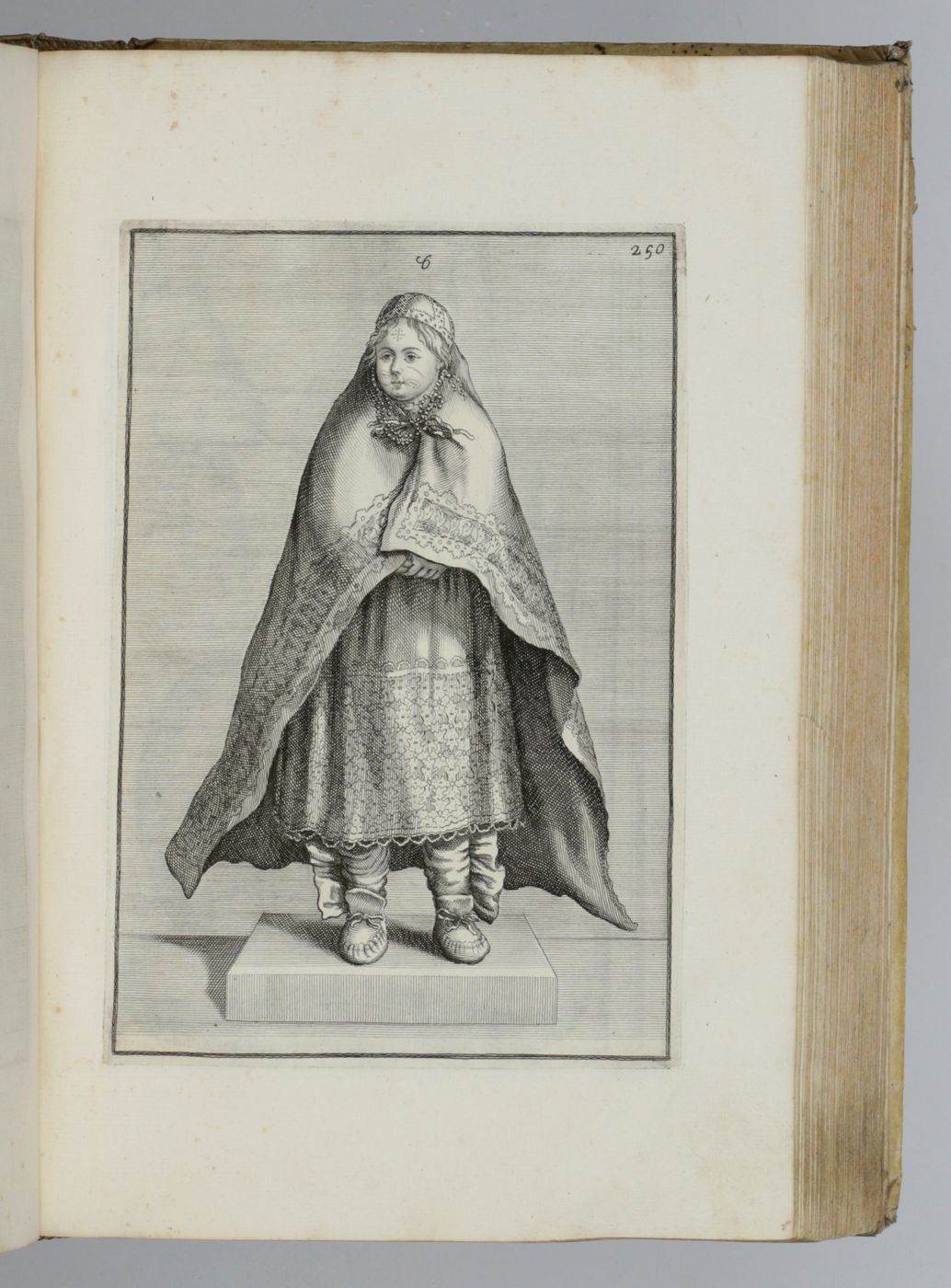
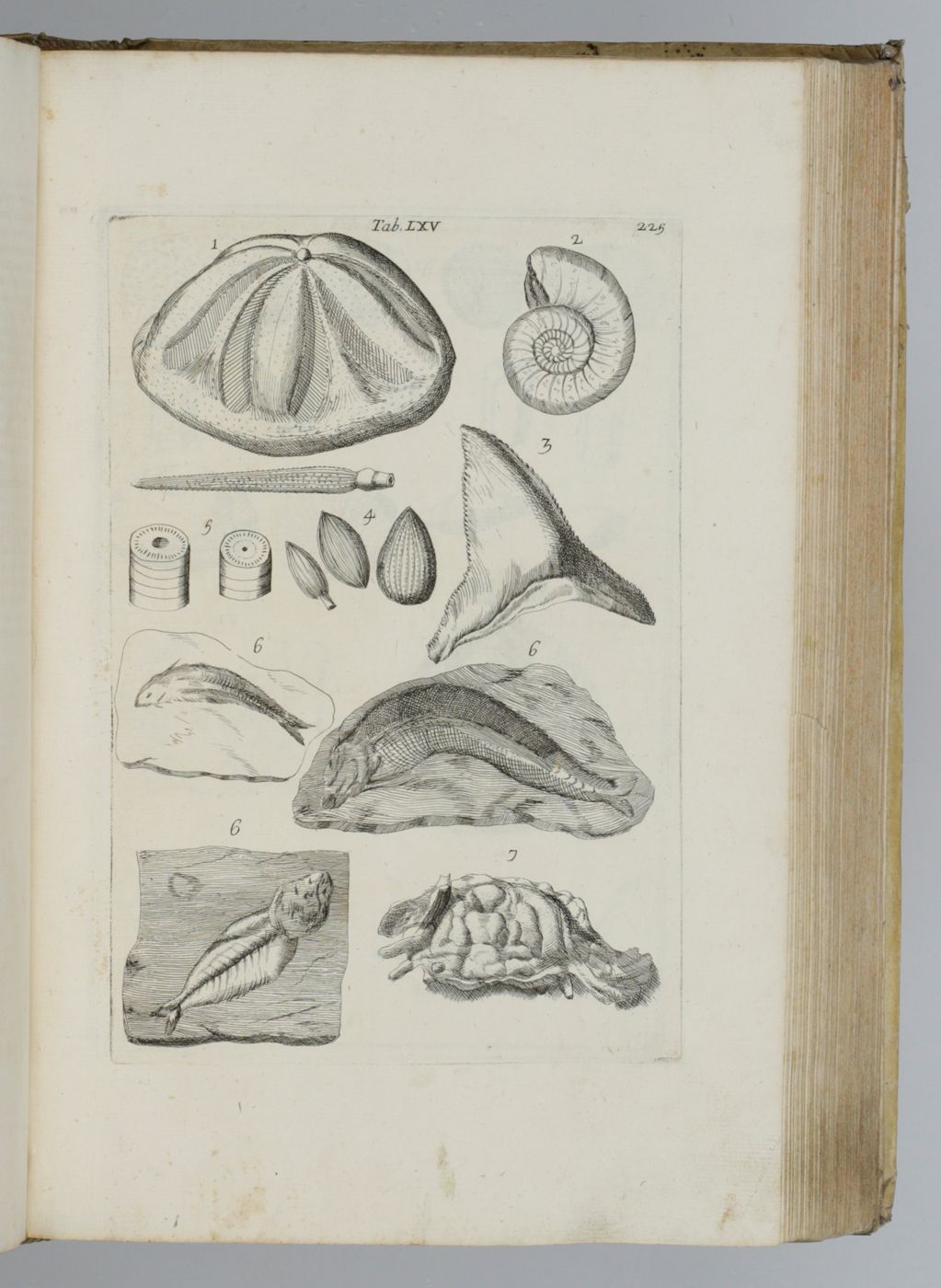
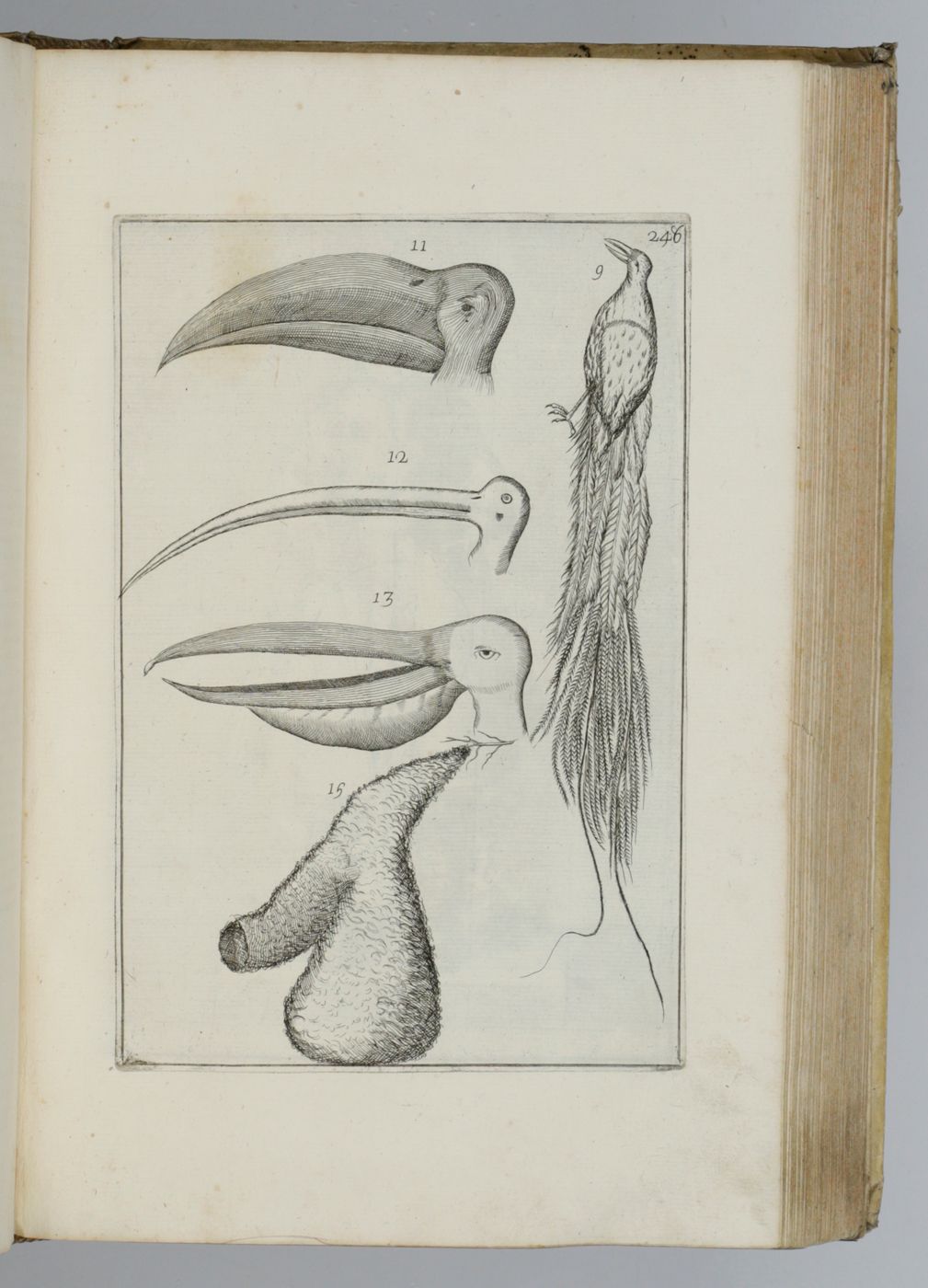
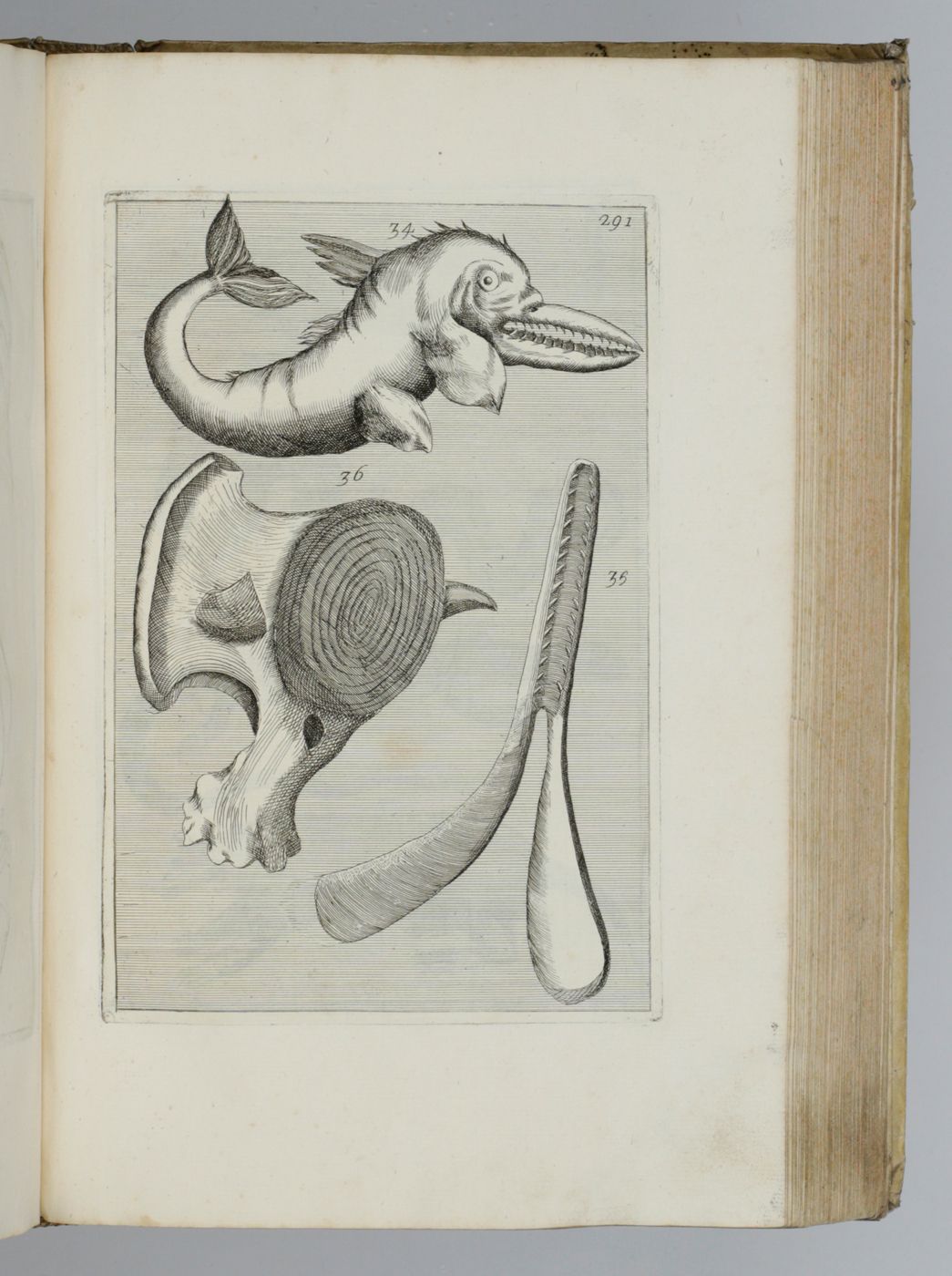
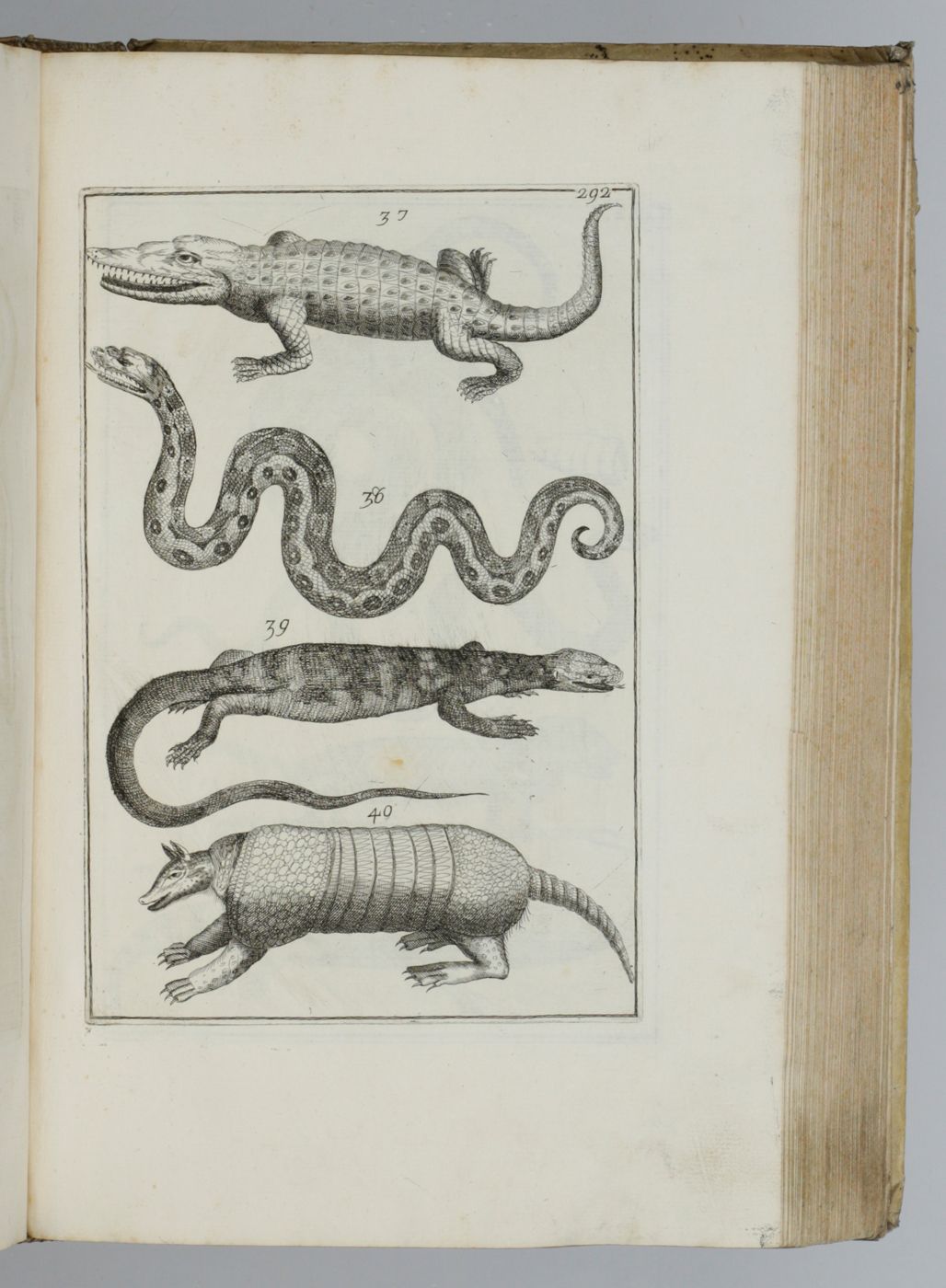
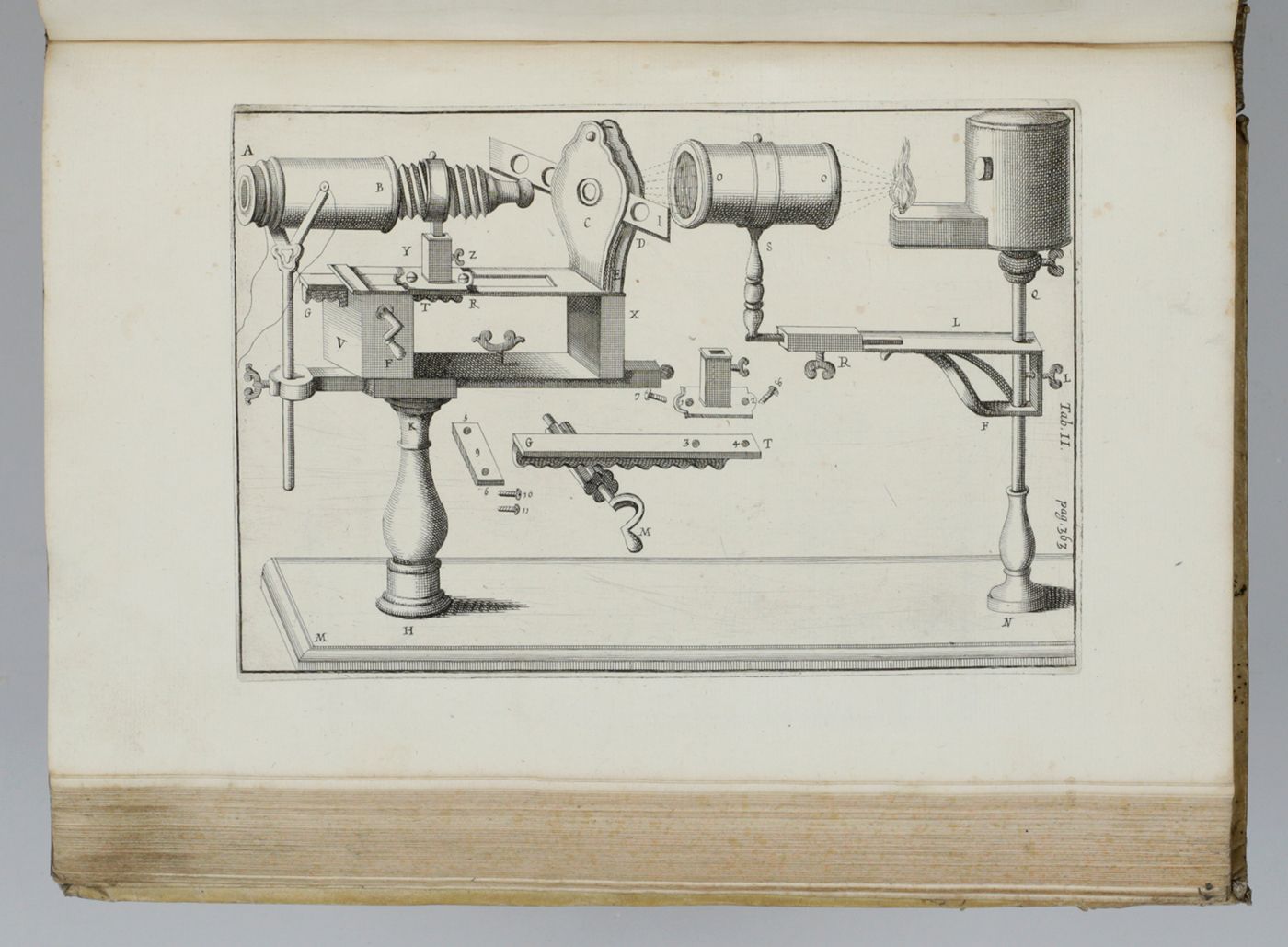
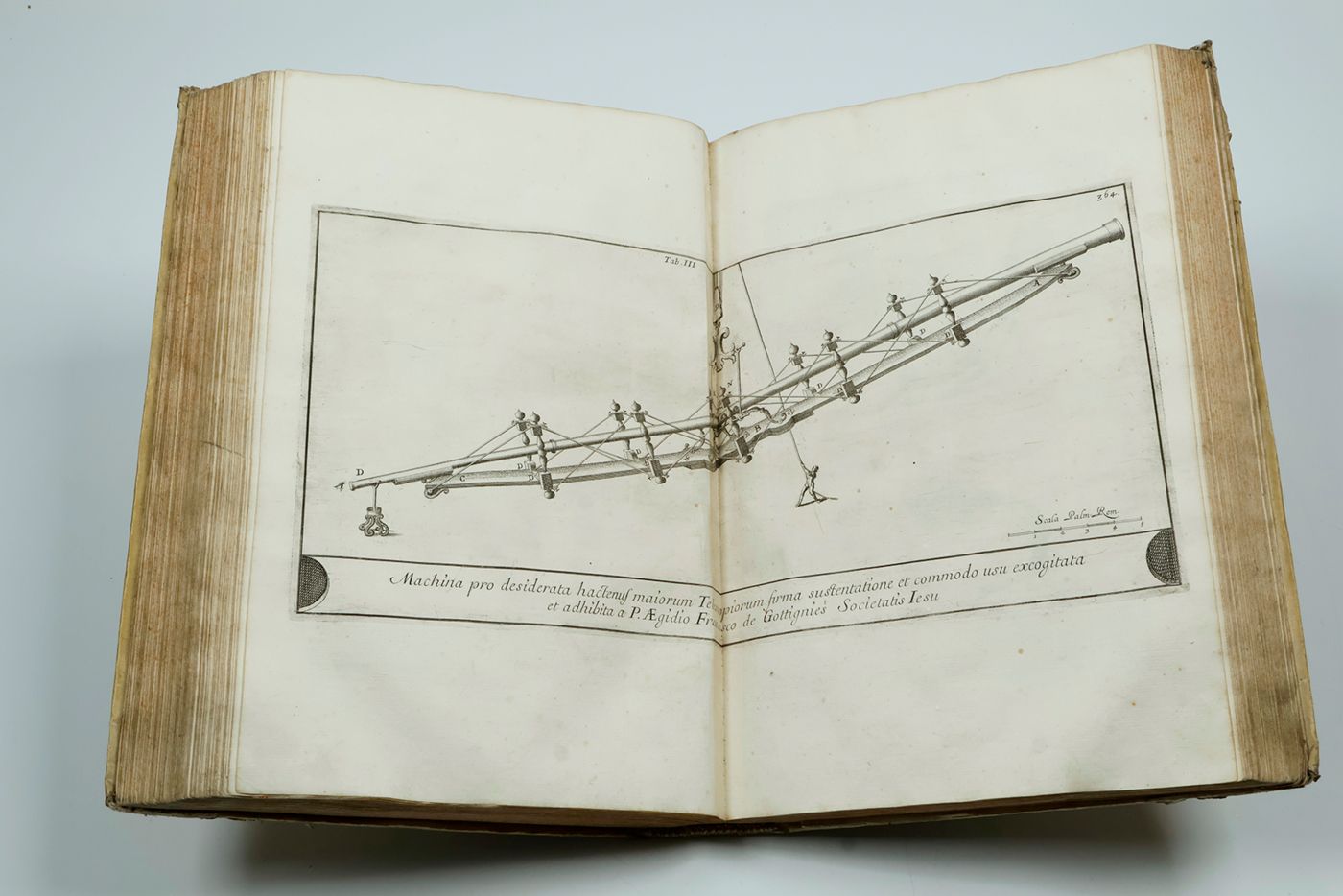
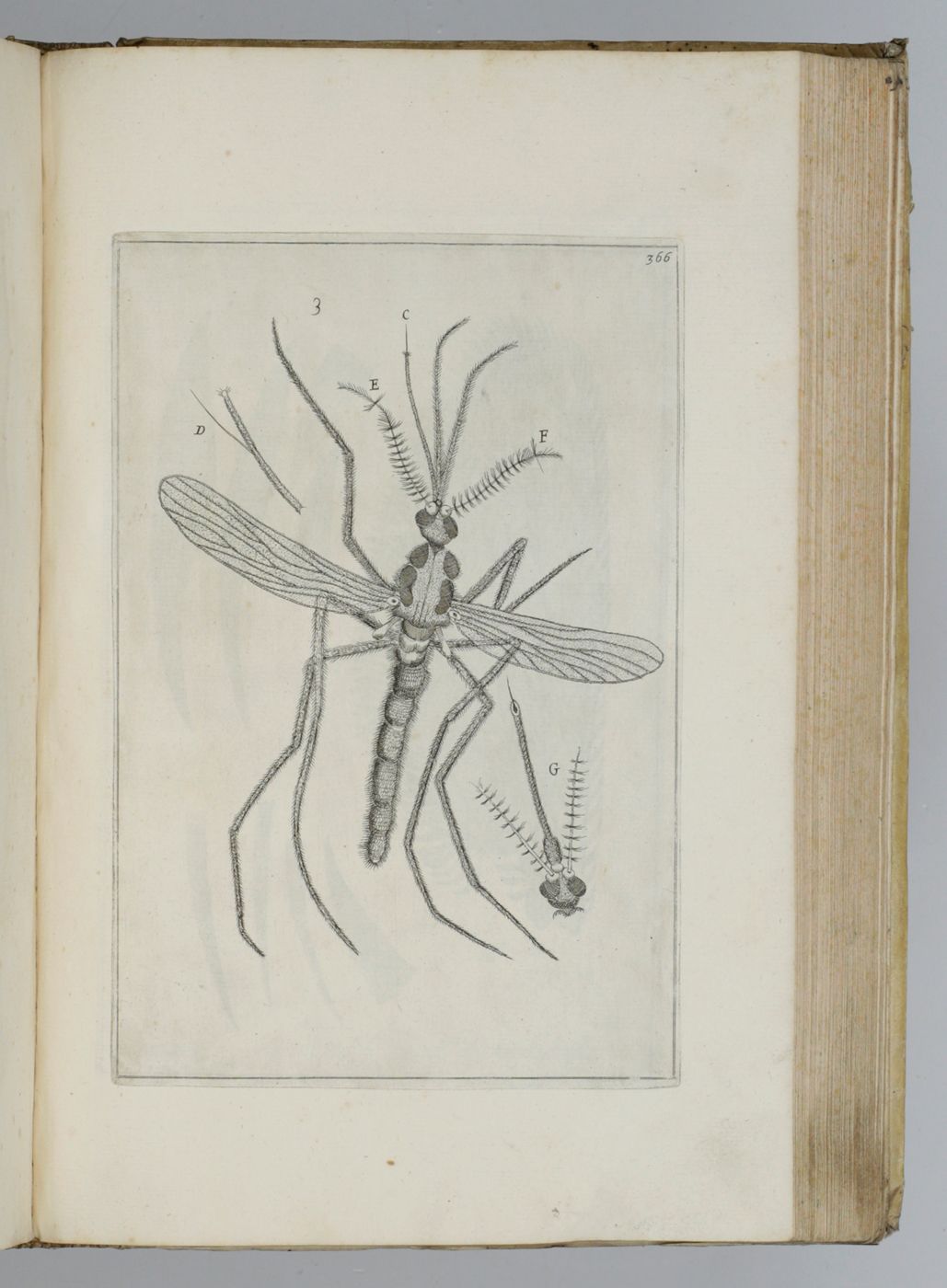
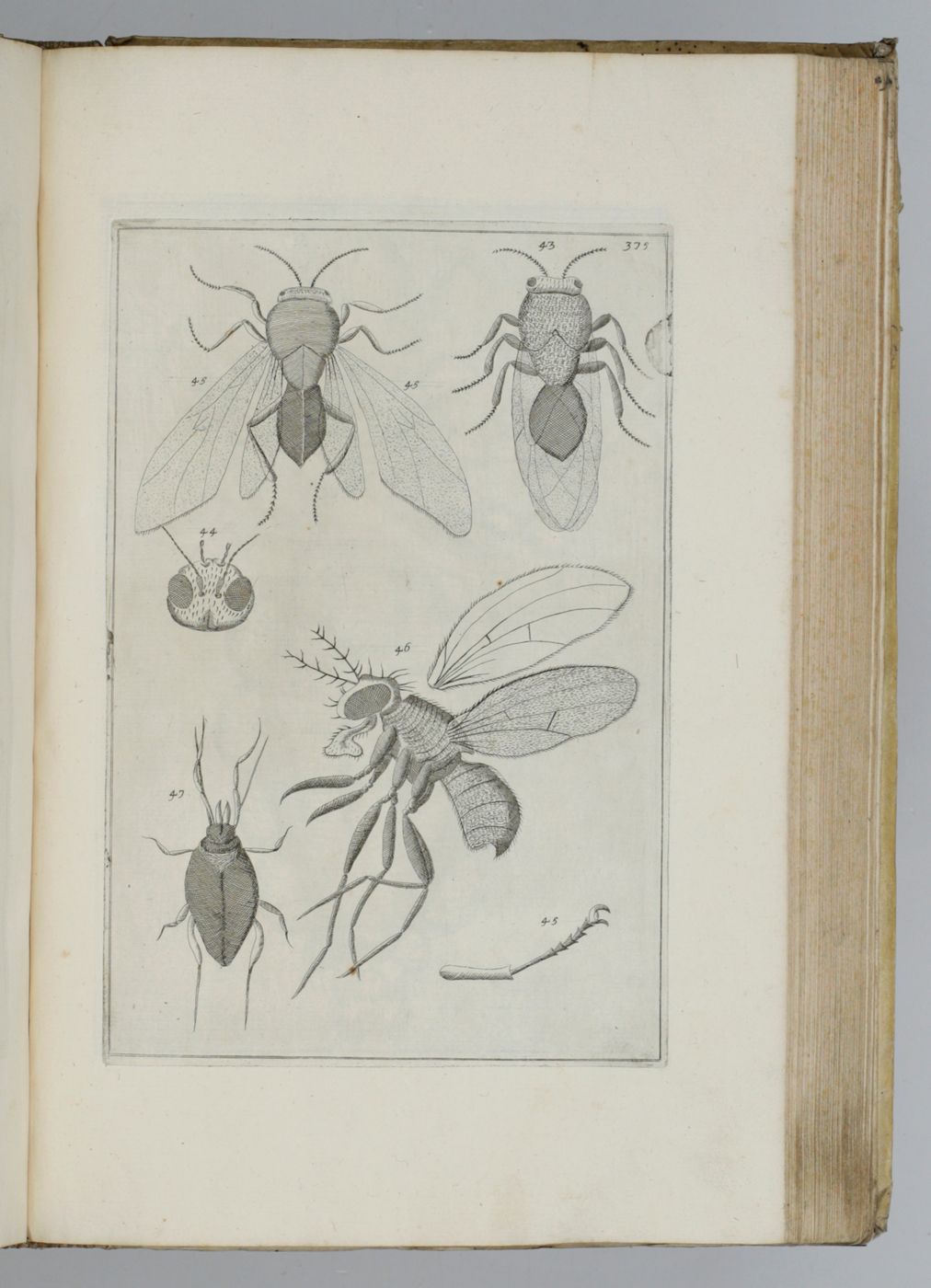
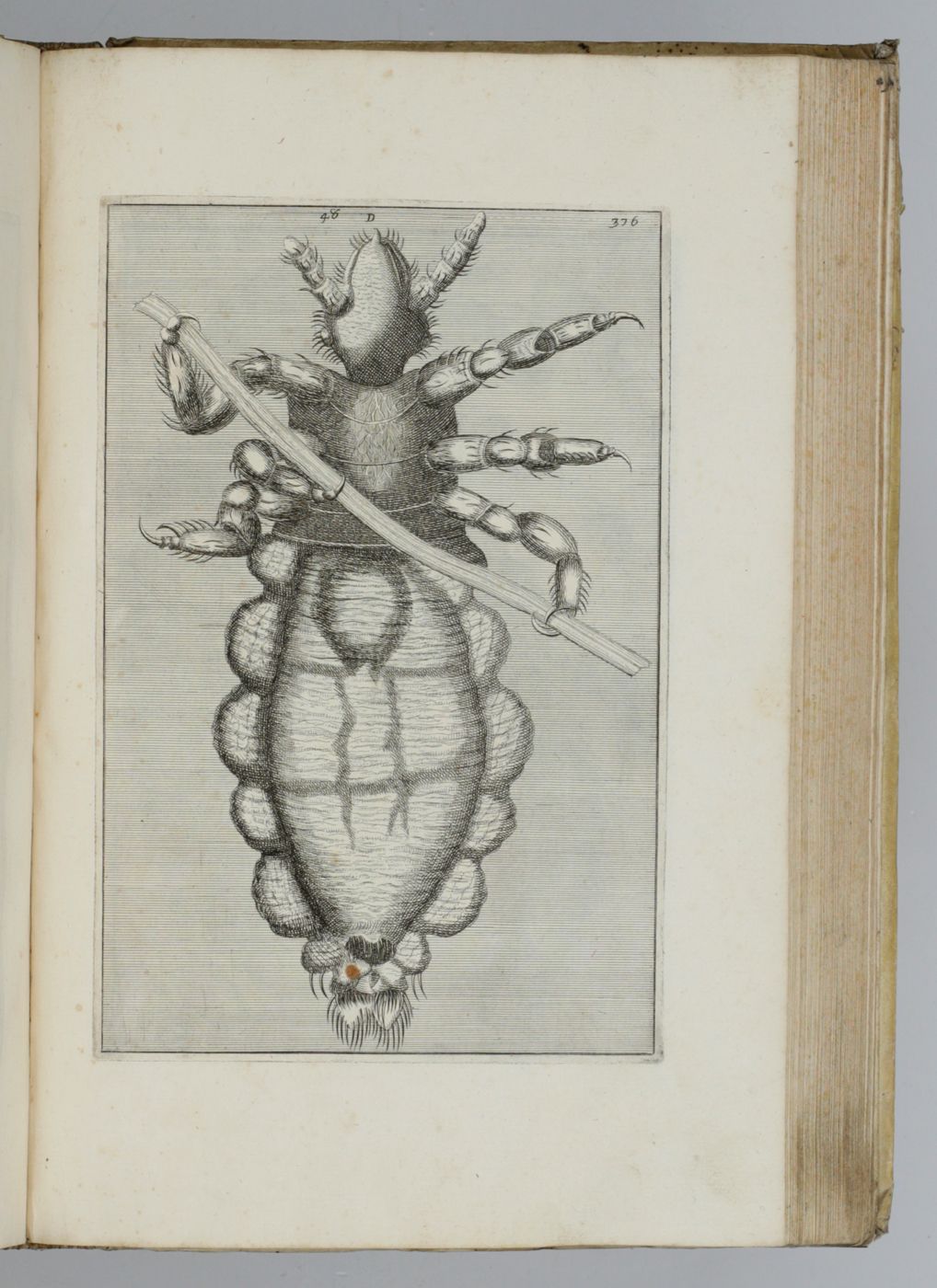
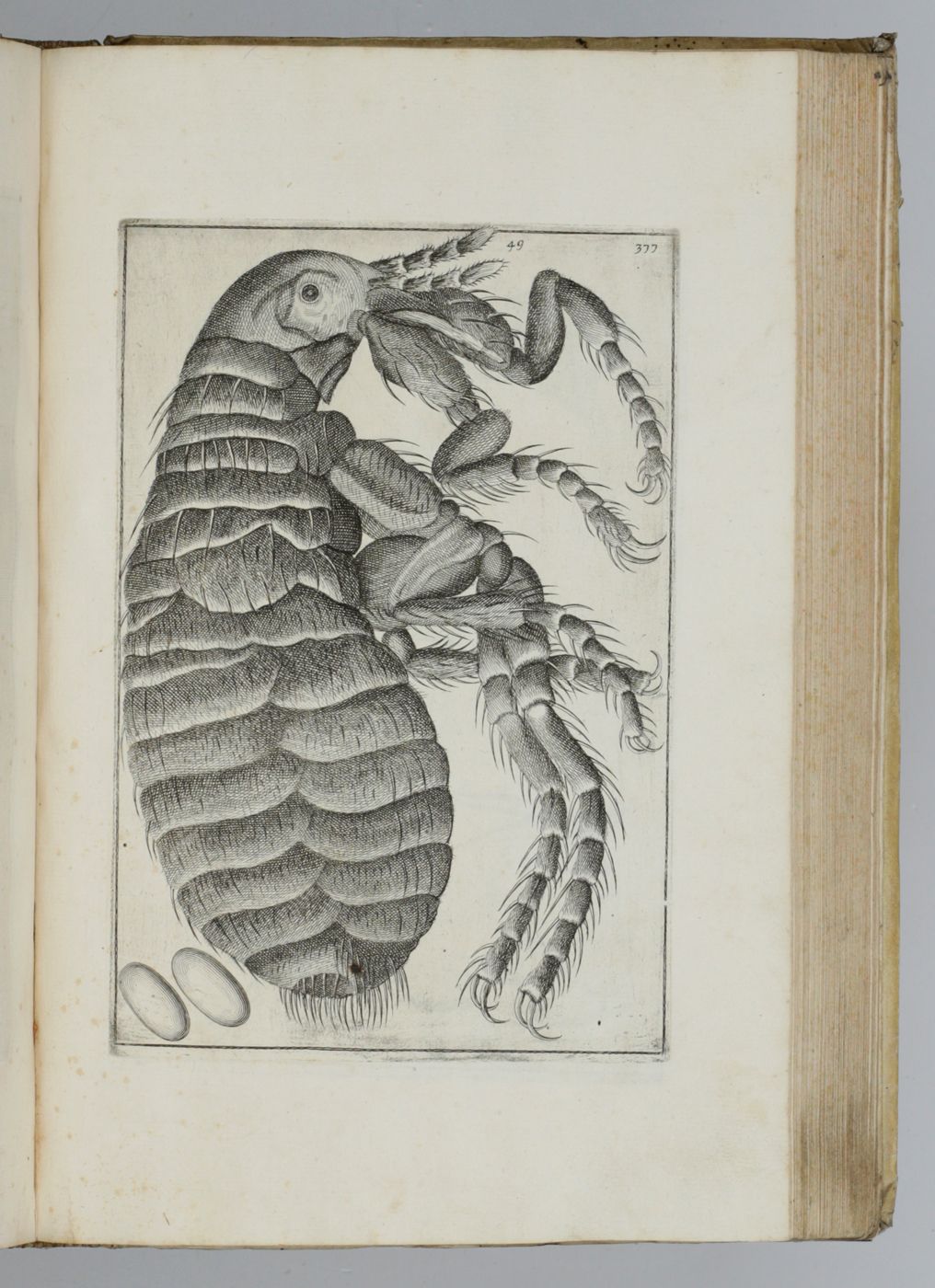
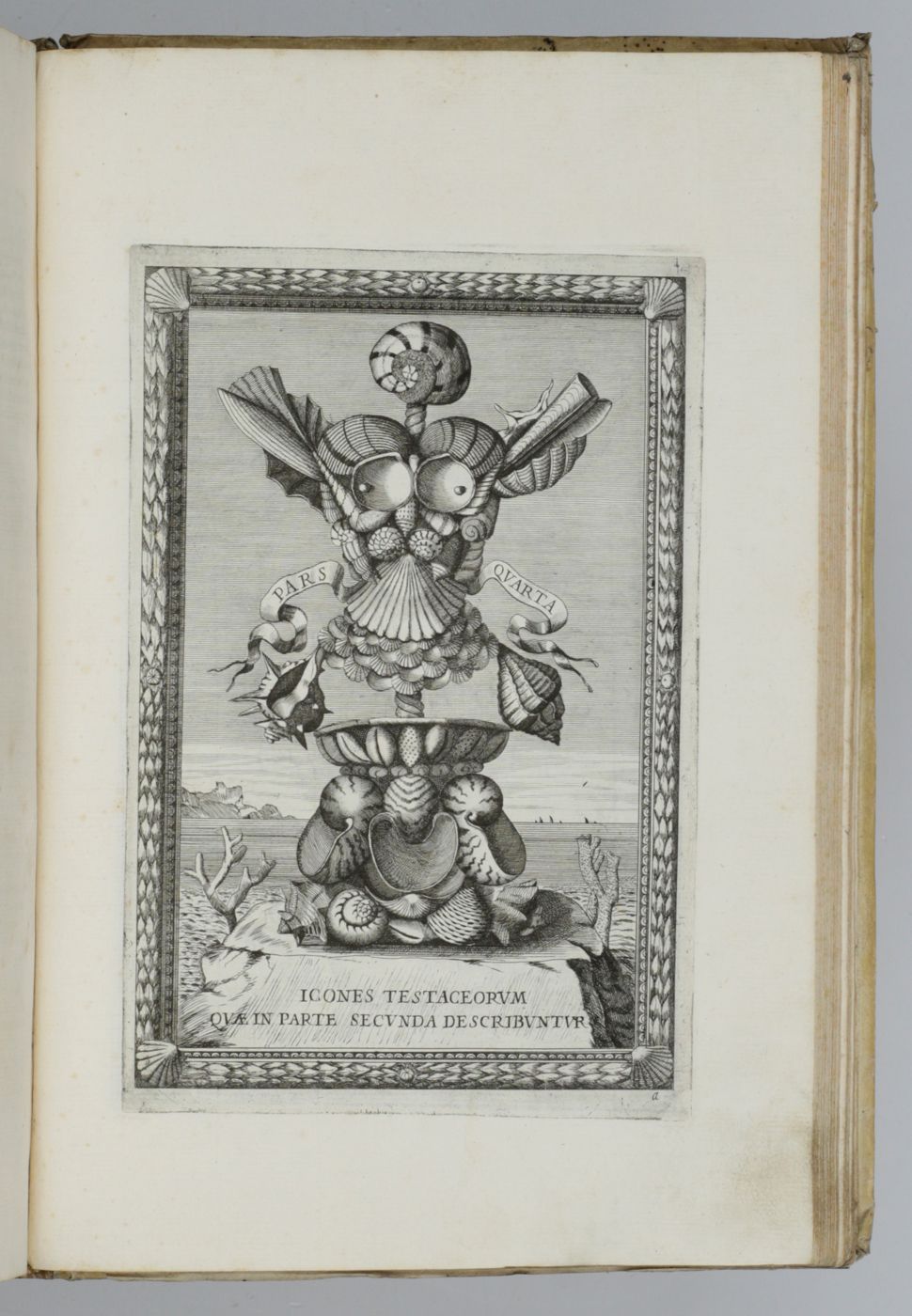
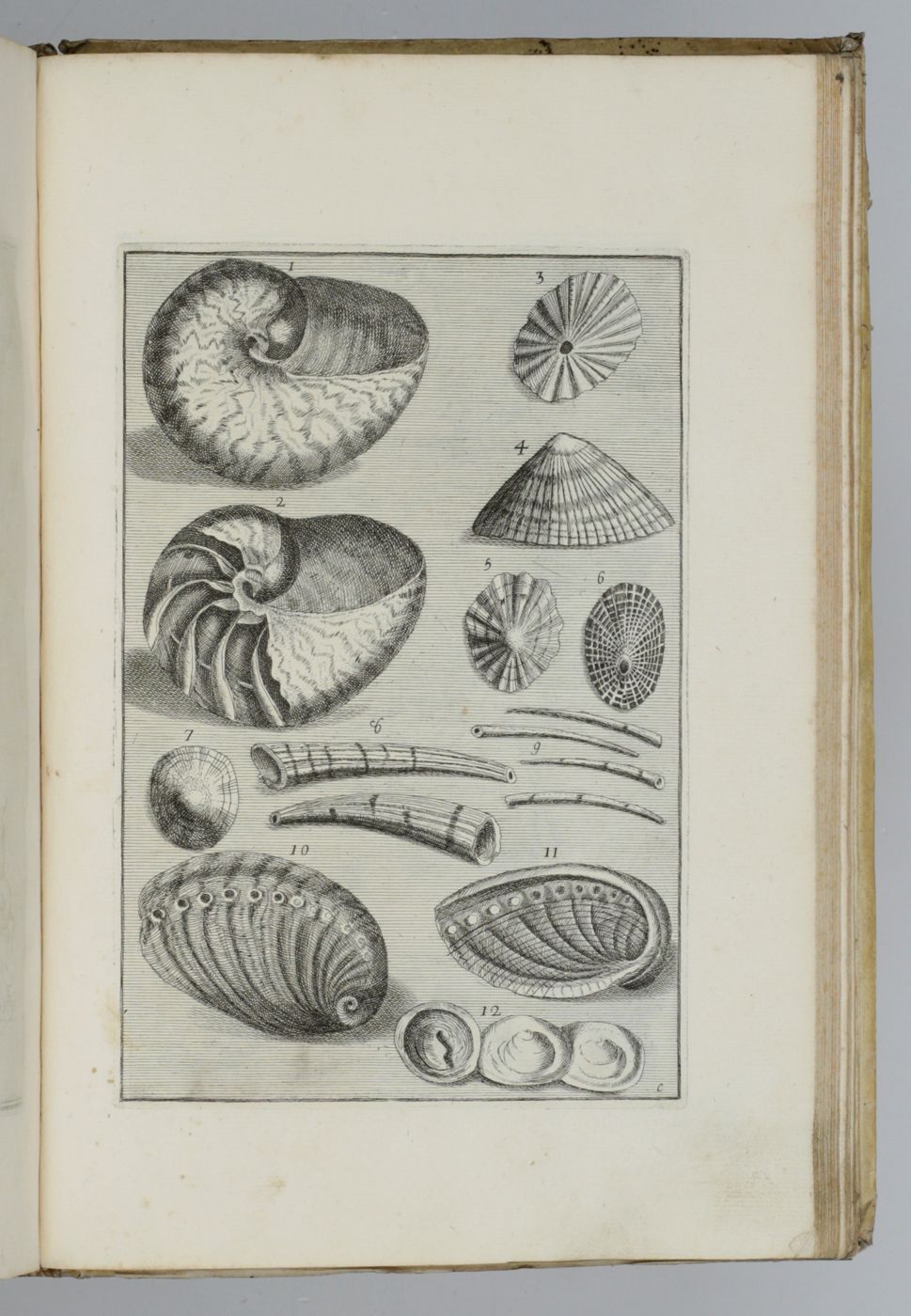
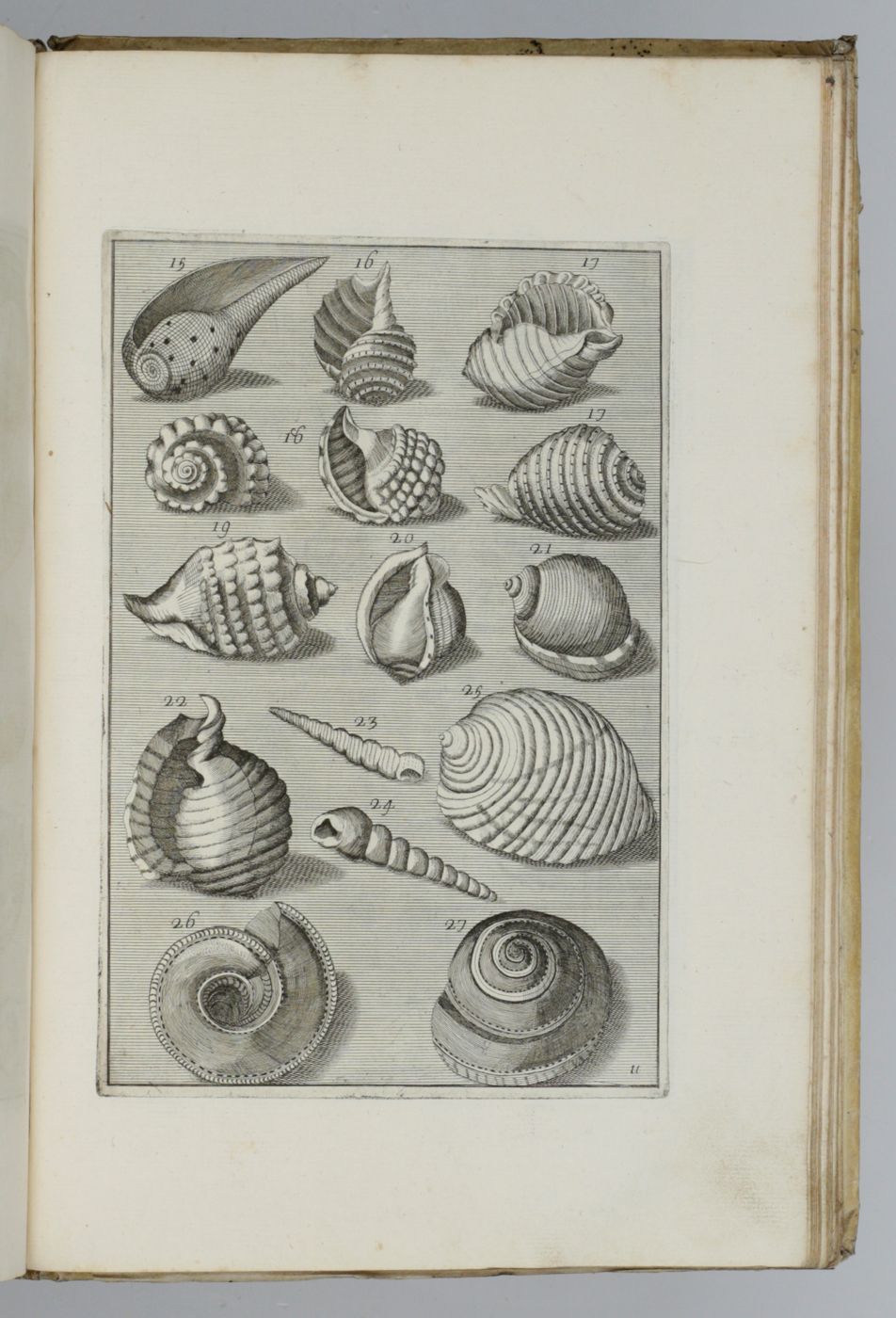
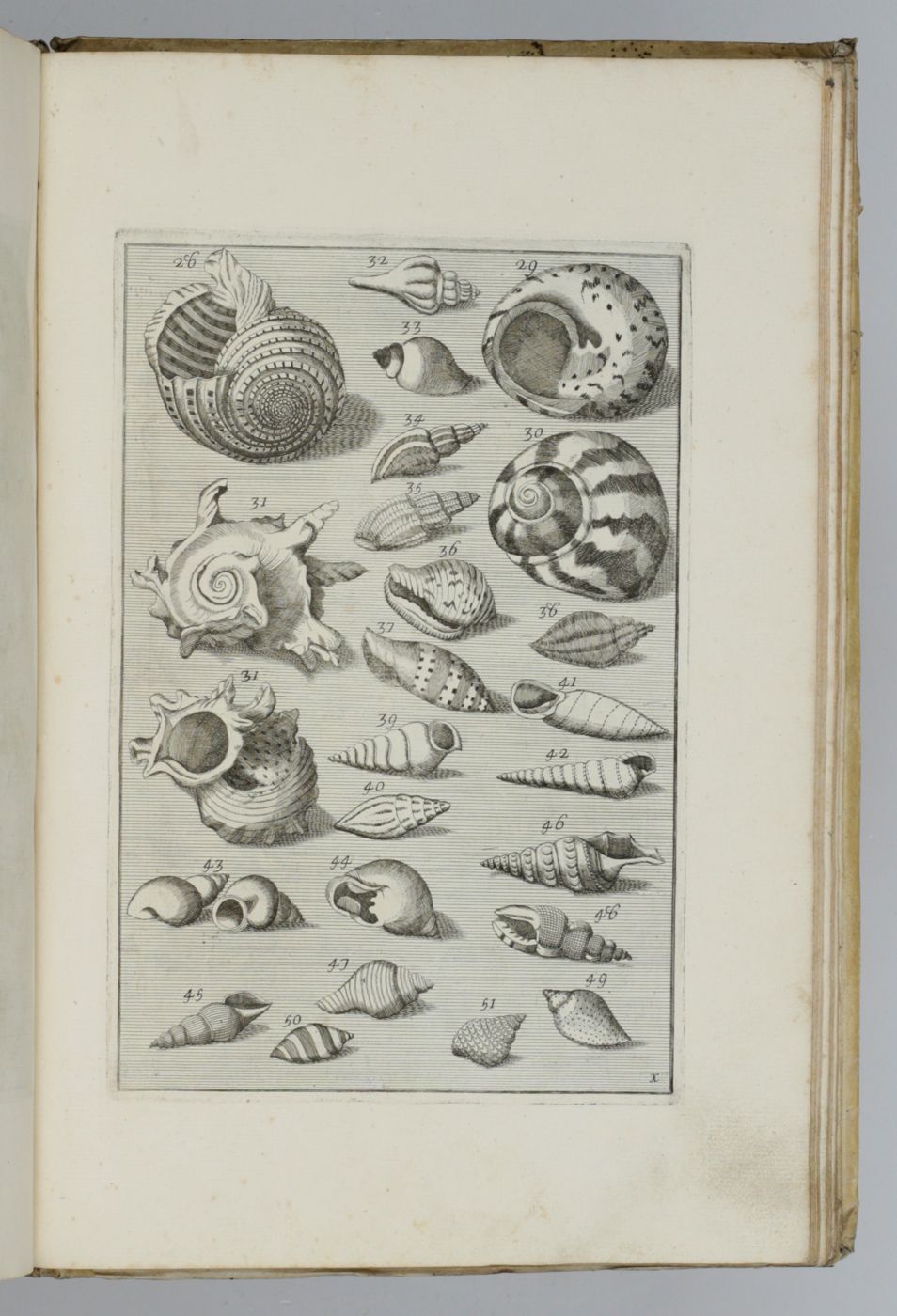
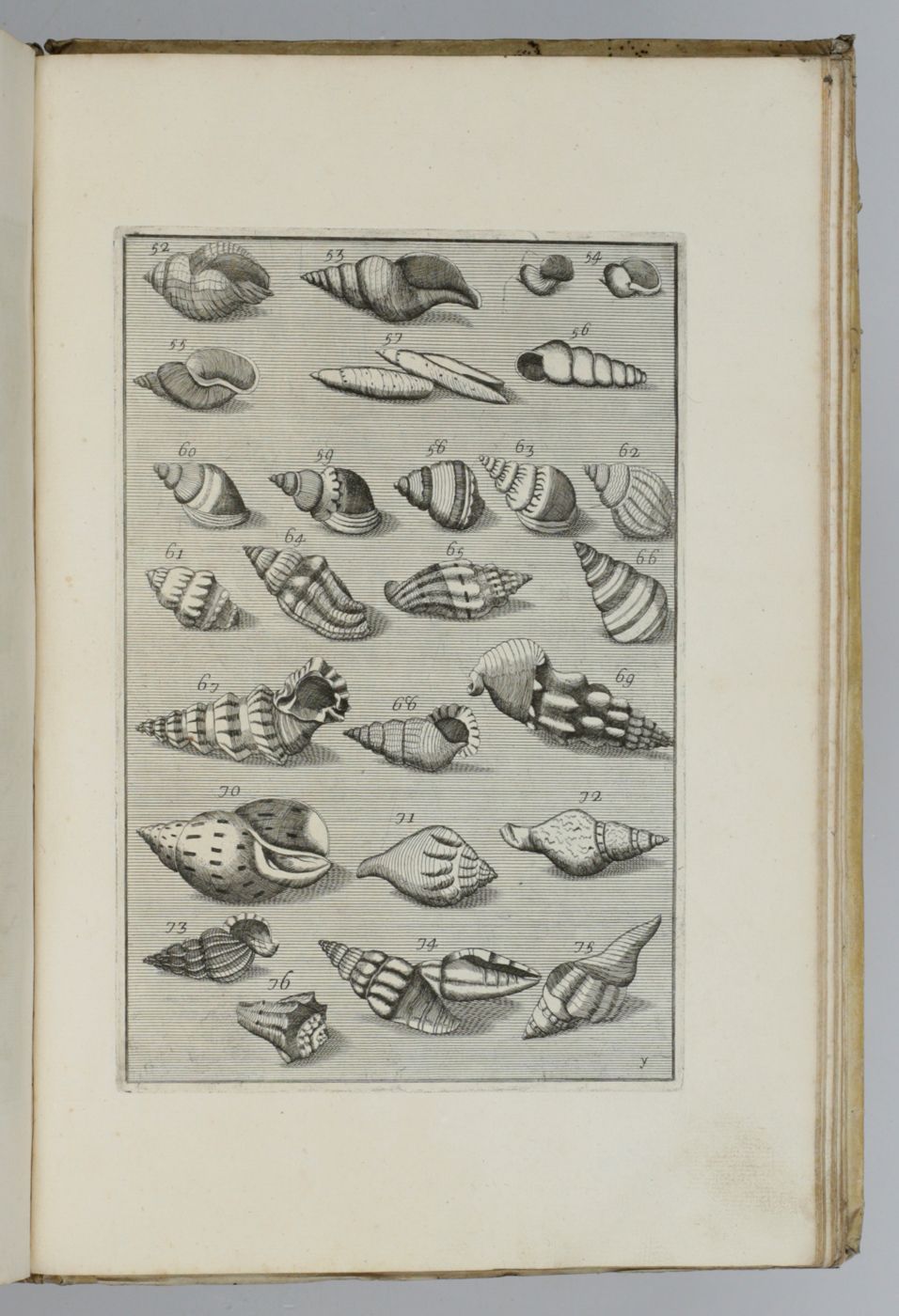
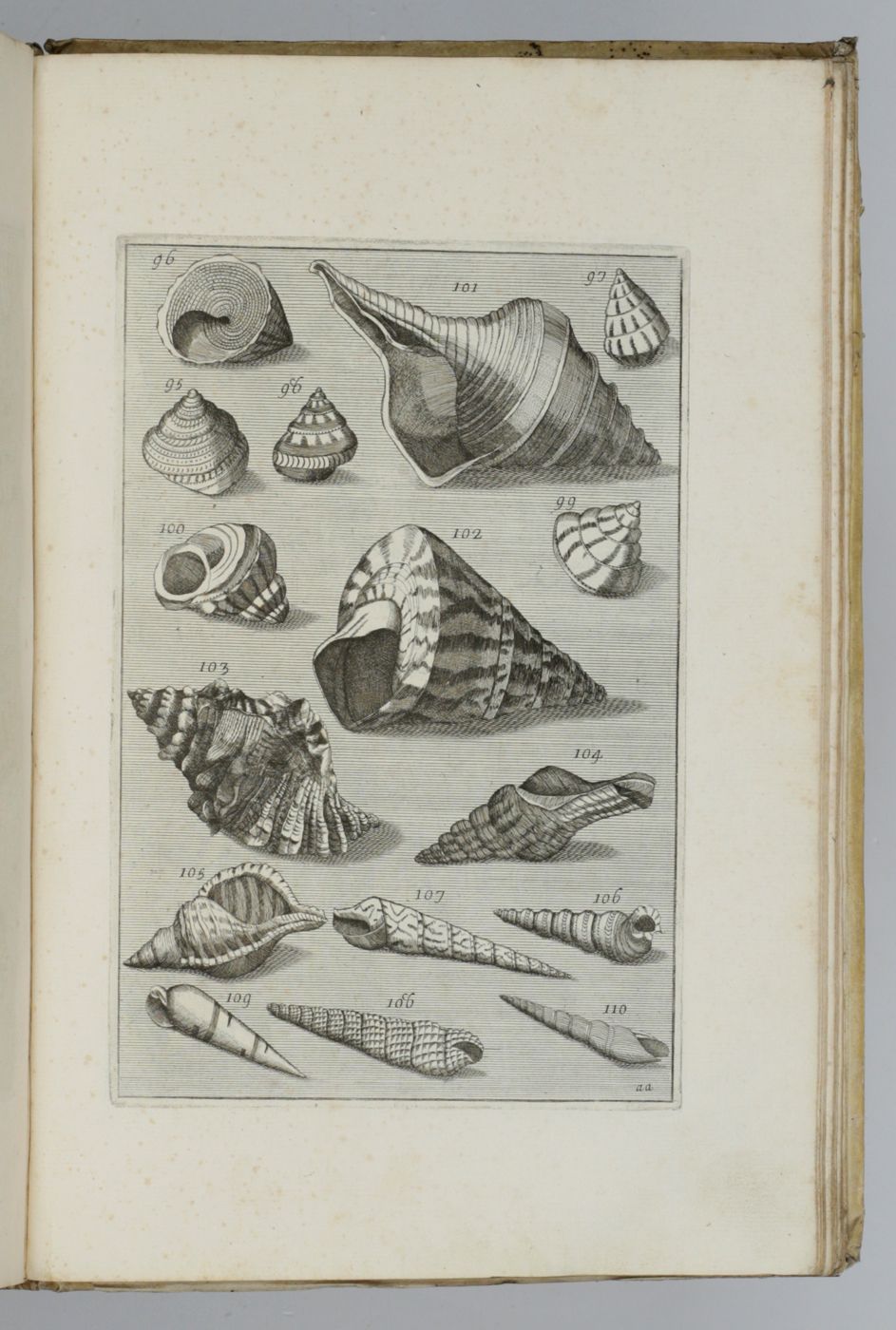
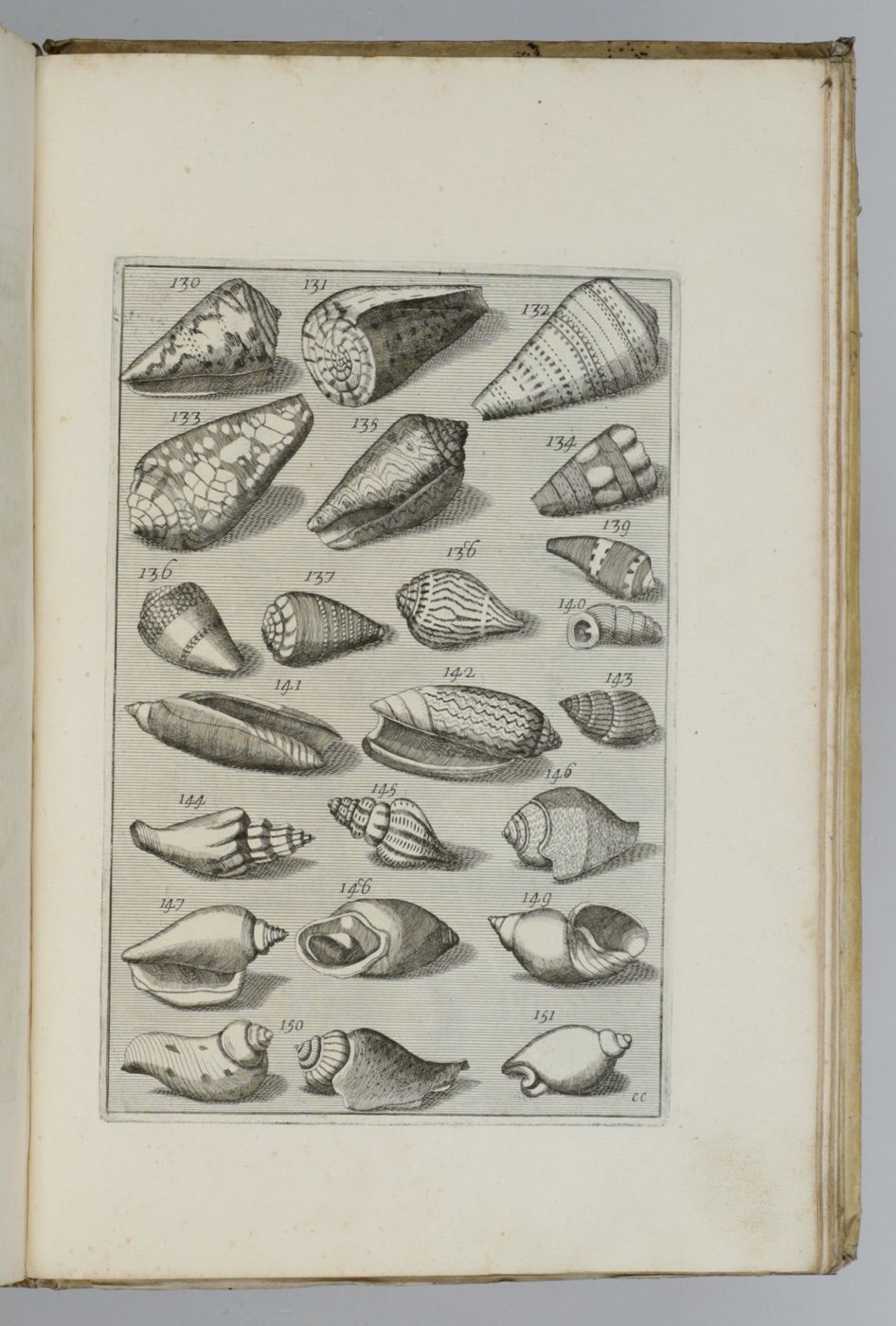
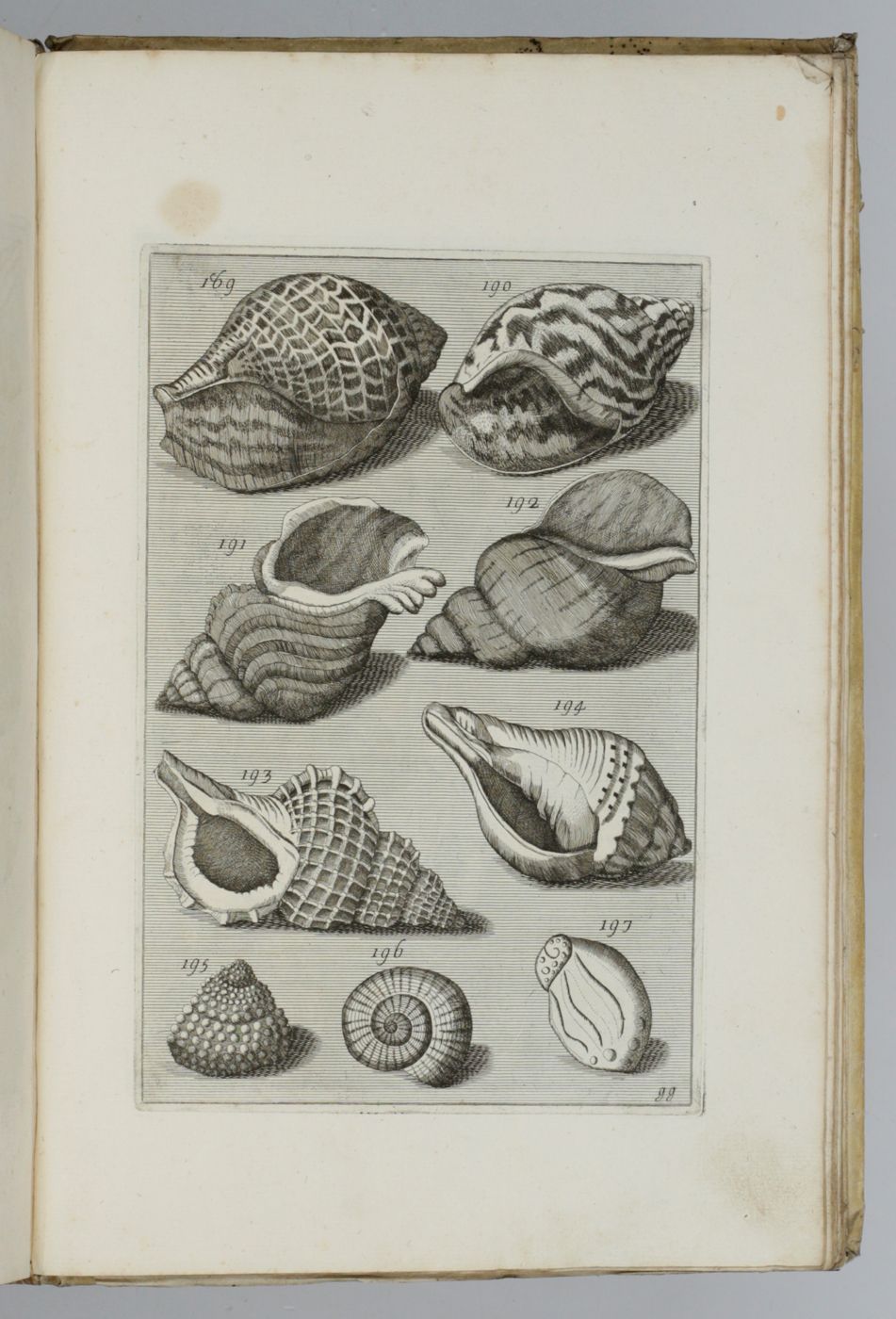
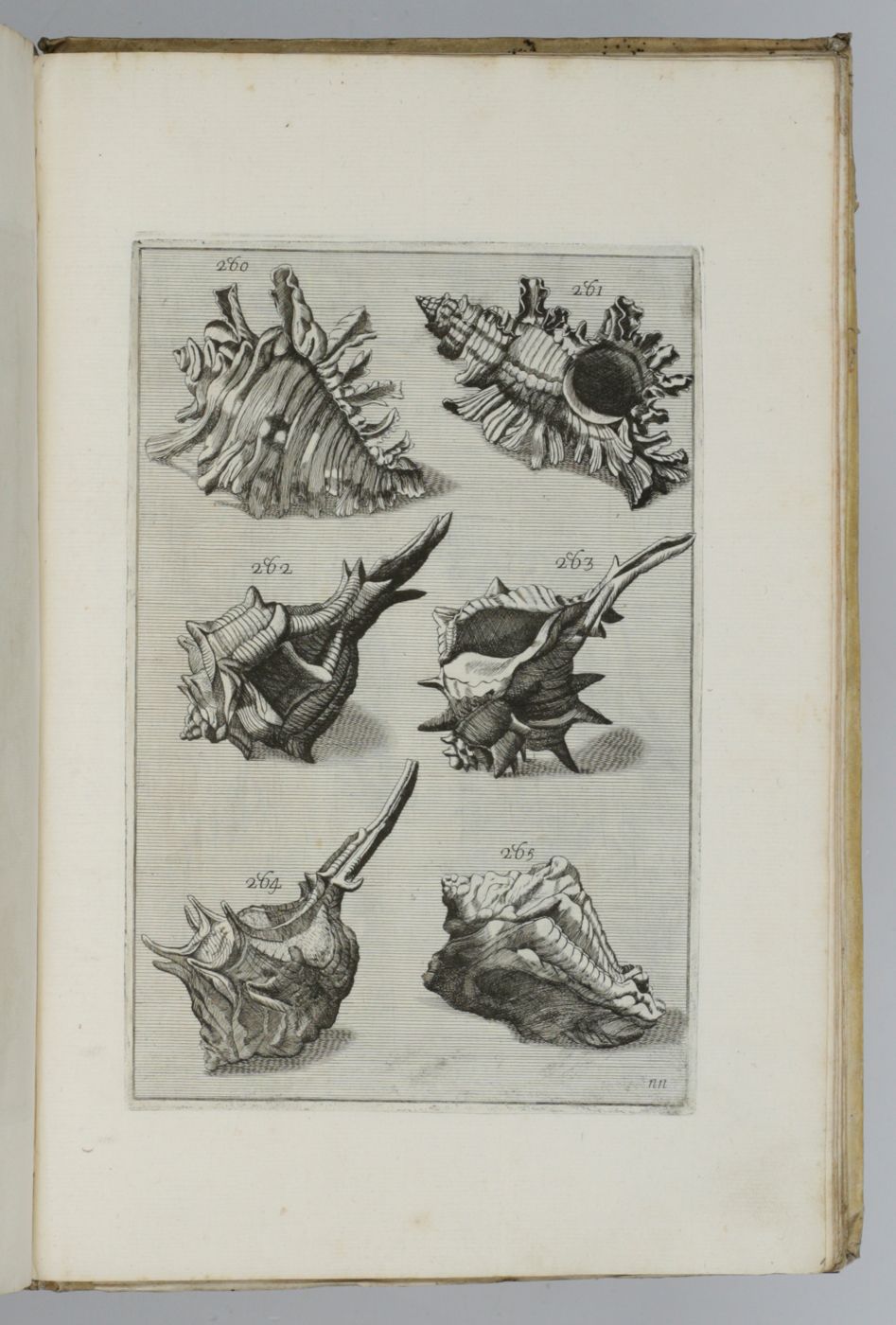
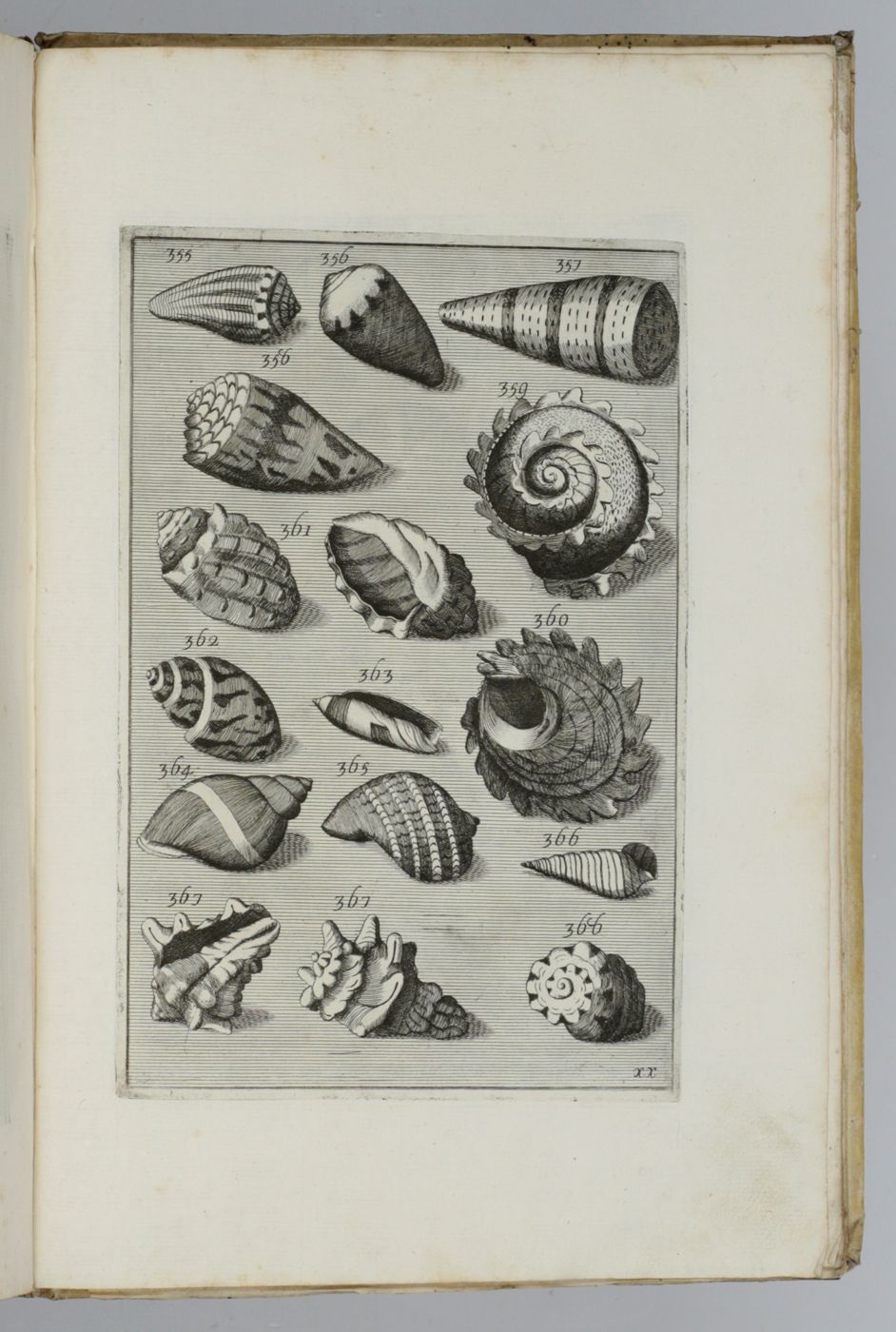
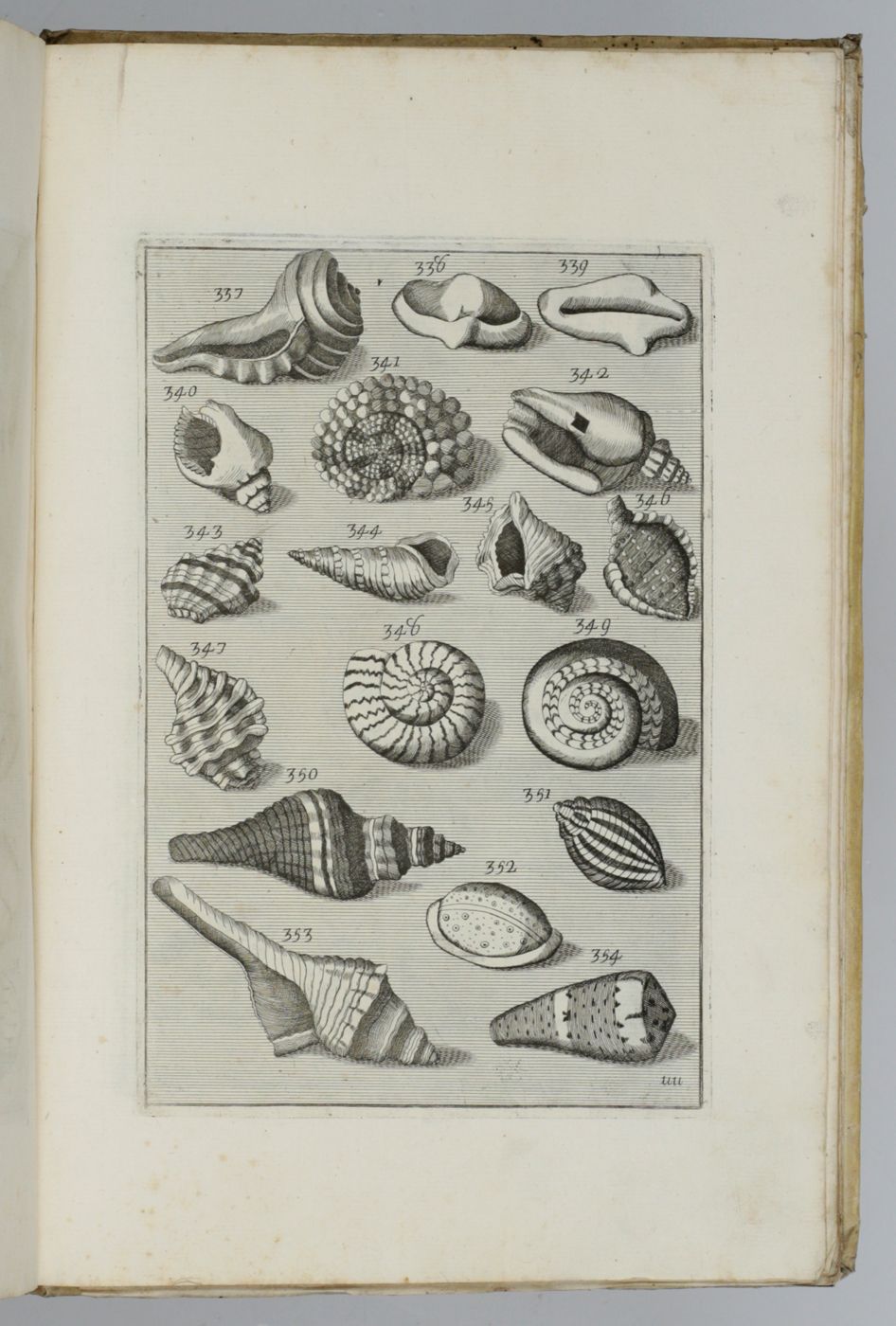
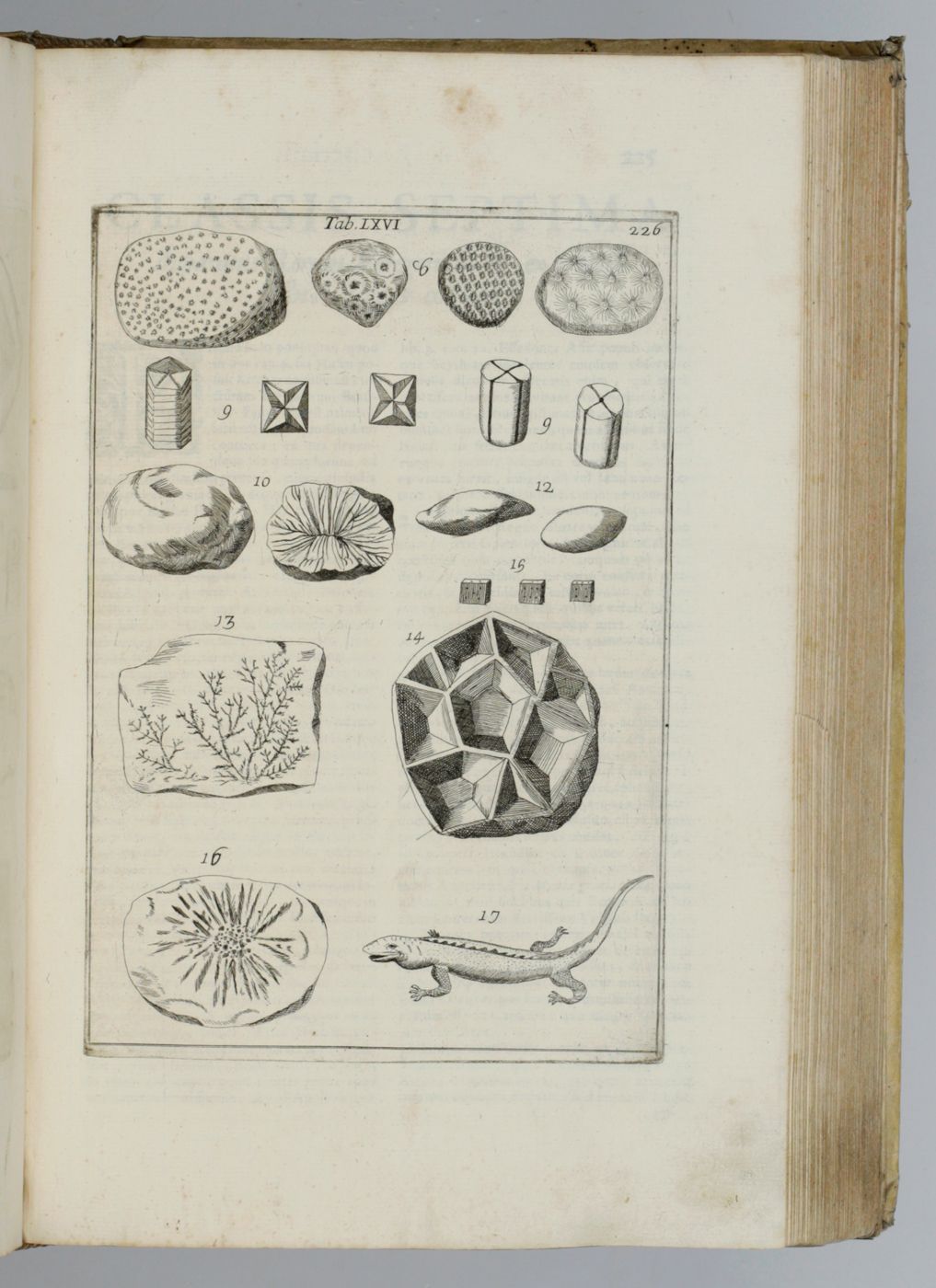
A highlight in Wunderkammer literature and illustration, dealing with one of the largest and finest Wunderkammers of its time, which was both one of Rome's most wonderful tourist attractions, and used for teaching purposes (see Fearrington). As noted by Fearrington, "The first extensively illustrated account of the Wunderkammer assembled by Father Athanasius Kircher (1602-1680) of the Jesuit order's Roman College. The collection was renowned for its malacological specimens, Egyptian and other antiquities, scientific instruments, and much besides. Kircher built on earlier collections, and he was able to employ the services of Jesuit missionaries, who sent him ethnographical and archaeological material from the field ... A polymath and walking encyclopaedia with a global reputation as a scholar, he was an early museum theorist, as well: he believed that the first true museum was Noah's Ark". The author of the present work was Kircher's student and successor in the chair of mathematics at the Jesuit College, Filippo Bonanni, or Buonanni (1638-1723). He created the earliest practical illustrated guide for shell collectors in 1681, for which he is considered a founder of conchology. As the curator of the Musaeum, he had access to one of the world's richest conchological collections. As a student, Buonanni undertook the manufacturing of microscopic lenses. He used his lenses to create his own microscope and to develop scientific studies of a number of specimens. He also became a skilled copperplate engraver. Both skills are shown in this work, and in particular in the fine plates with highly enlarged insects, and minerals. Usually, the Musaeum Kircherianum is dated 1709, but the frontispiece is dated 1710, as already noted by Nissen. Blank versos of plates and text leaves have no page numbers. Due to a printer's error, page numbers 254-263 do not exist; the text is continuous. In "Classis Undecima" (Chapter 11), the last plate is numbered "388, 389, 390, 391", just to fill a gap in pagination. "Classis Duodecima", the part devoted to molluscs, is additionally titled "Pars Secunda" from p. 434 onwards, and "Pars Tertia" from p. 477 onwards. A hardly visible, very professional paper repair to one index leave. Some annotations in an old hand on the front pastedown; front free endpaper verso, and, small, in the margins of a few leaves in Classis Octava; very light rubbing to board edges and corners; short, partial split in rear joint at spine top; otherwise, impeccable. A majestically clean copy, without any trace of foxing, toning, or worming: by far the best copy we have ever seen. Brunet I, 1086; Cat. BM(NH) p. 286; Fearrington, Rooms of Wonder 21, and p. 10; Nissen ZBI, 2198 (under Kircher).